



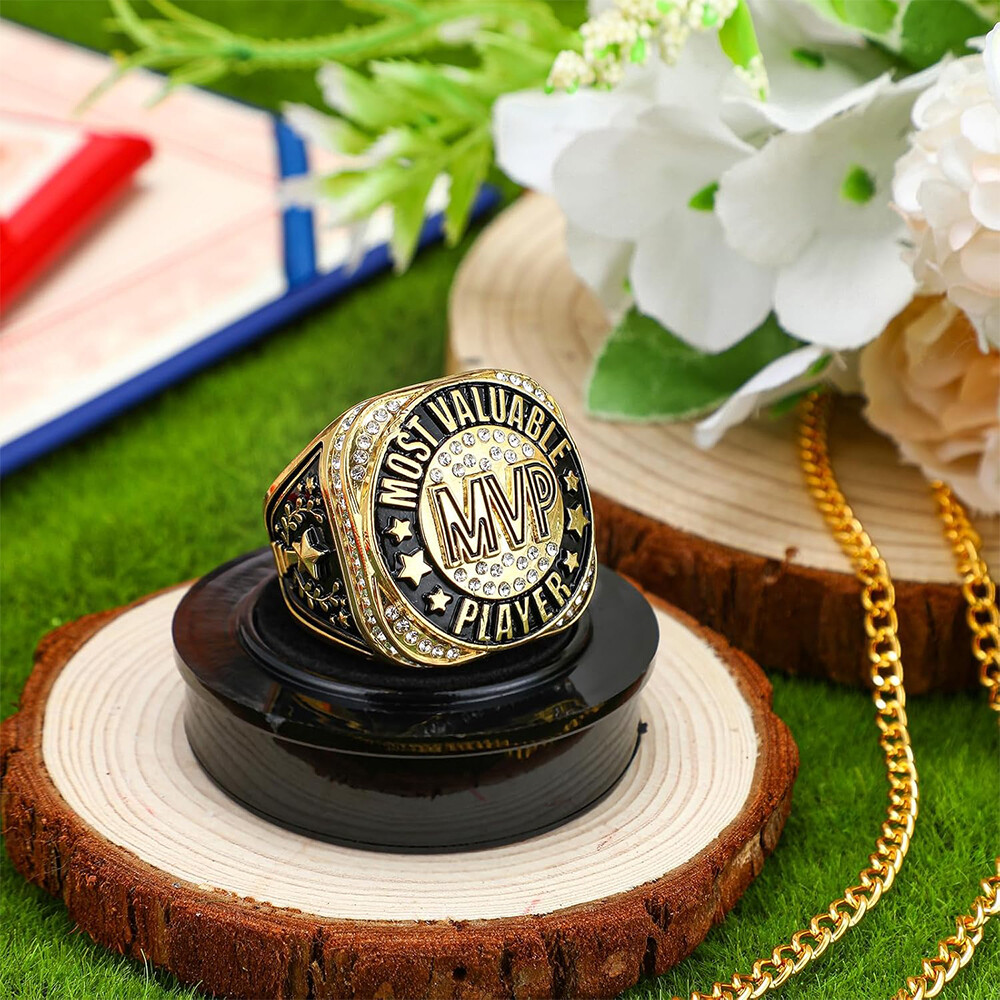
Gold-look champion rings often attract attention for their lower upfront price and premium visual appeal. Yet the real value depends on metal choice, finish quality, wear resistance, and maintenance demands.
In sports awards, school tournaments, club recognition, and branded commemorative programs, champion rings must balance image and lifespan. A low initial quote may lead to faster fading, more replacements, or reduced presentation impact.
This overview explains how champion rings are priced, what affects finish performance, and where wear risks appear in daily use. It also outlines practical selection points for custom sports recognition projects.
Understanding Gold-Look Champion Rings
Gold-look champion rings are not always solid gold. In most sports goods programs, they use a base metal with a gold-colored surface treatment.
Common base metals include zinc alloy, brass, stainless steel, and copper blends. The outer finish may involve electroplating, ion plating, or decorative coating.
For many events, champion rings serve as symbolic awards rather than luxury jewelry. That changes the buying logic. Appearance, timeline, branding, and durability usually matter more than precious metal content.
A well-made ring can still deliver strong ceremonial value. Deep engraving, enamel color, stone setting, team identity, and protective coating all influence how premium the final product feels.
Cost Structure Behind Champion Rings
The price of champion rings is shaped by more than ring size or color. Several production variables affect the final quote and the total ownership cost.
- Base metal type and weight
- Mold complexity and 3D relief details
- Plating thickness and finish process
- Stone quality or decorative inserts
- Logo, text, and side panel customization
- Packaging, inspection, and shipping method
Lower-cost champion rings often reduce cost through thinner plating, lighter weight, or simpler polishing. These savings may be acceptable for short-term commemorative use.
However, frequent handling, display, travel, and long-term storage increase the importance of surface stability. When rings represent a championship identity, finish failure can undermine perceived quality.
Finish Quality and Wear Risks
The biggest concern with gold-look champion rings is surface wear. Even when the ring looks impressive at delivery, daily contact can gradually change its appearance.
Common wear risks include rubbing against hard surfaces, hand sweat, skin oils, cleaning chemicals, and impact during celebration events. Raised design areas usually wear first.
Edges, inner shanks, and stone settings are also pressure points. If the plating is thin or the base metal is soft, fading and scratches appear sooner.
Typical signs of finish decline
- Color fading on high-contact areas
- Visible scratches on polished surfaces
- Darkening from oxidation in exposed spots
- Loose stones or weakened decorative parts
For sports recognition, champion rings are often worn during ceremonies, photos, and social events, then stored. In that pattern, a high-quality gold-look finish can perform well.
If regular daily wear is expected, choosing stronger finishing methods becomes more important than minimizing unit price. This is where total value and appearance retention meet.
Industry Context in Sports Awards
The sports goods market increasingly values customized recognition items. Beyond trophies, champion rings help create emotional memory, team culture, and visual storytelling.
Programs often combine rings with medals, badges, and presentation cases. For example, a karate event may pair champion rings with a collectible medal for broader award layering.
A suitable companion item is Retro silver metal medal with 3D fist relief, commemorative collectible item for karate-themed events. It fits celebration events, school activities, and community competitions.
This approach expands recognition options across budgets. It also supports different participant levels, from champions to commemorative recipients, without losing visual consistency.
Application Value of Champion Rings
Champion rings deliver value beyond decoration. They can strengthen award prestige, support sponsor visibility, and extend event memory well after competition day.
When designed carefully, champion rings also work across many sports-related settings:
- League championships and finals
- School sports days and club honors
- Corporate fitness challenges
- Community tournaments and charity competitions
- Commemorative collections for milestone seasons
Practical Selection and Maintenance Guidance
To choose champion rings wisely, compare expected wear conditions with visual goals. The best option is not always the cheapest or the most complex.
Selection points
- Ask about plating method and protective topcoat
- Review samples under natural and indoor light
- Check engraving depth and side detail clarity
- Confirm ring sizing and fit range
- Match finish quality to actual wear frequency
Care points
- Store rings dry and separately
- Avoid perfume, detergent, and harsh cleaners
- Wipe after use with a soft cloth
- Limit contact with rough surfaces
Reliable custom production also matters. Zhongshan Sonier Pins Co.,Ltd provides end-to-end support in metal crafts and customized corporate gift solutions, backed by years of export and quality control experience.
For projects that combine champion rings with medals or commemorative items, design alignment improves the full award set. Coordinated finishes, logos, and packaging create a stronger sports identity.
Next-Step Planning for Award Programs
Gold-look champion rings can be an effective choice when price, presentation, and use conditions are evaluated together. The smartest decision comes from comparing finish durability with event purpose.
Start with a clear brief covering quantity, design complexity, wear expectations, and delivery timing. Then request samples, confirm specifications, and test how the ring finish performs in realistic handling.
With that process, champion rings become more than a budget item. They become durable symbols of achievement that fit sports branding, recognition goals, and long-term event memory.
Please give us a message

Hello! How may I help you?
Welcome to our website. We are excited to chat with you!
Contact Us