



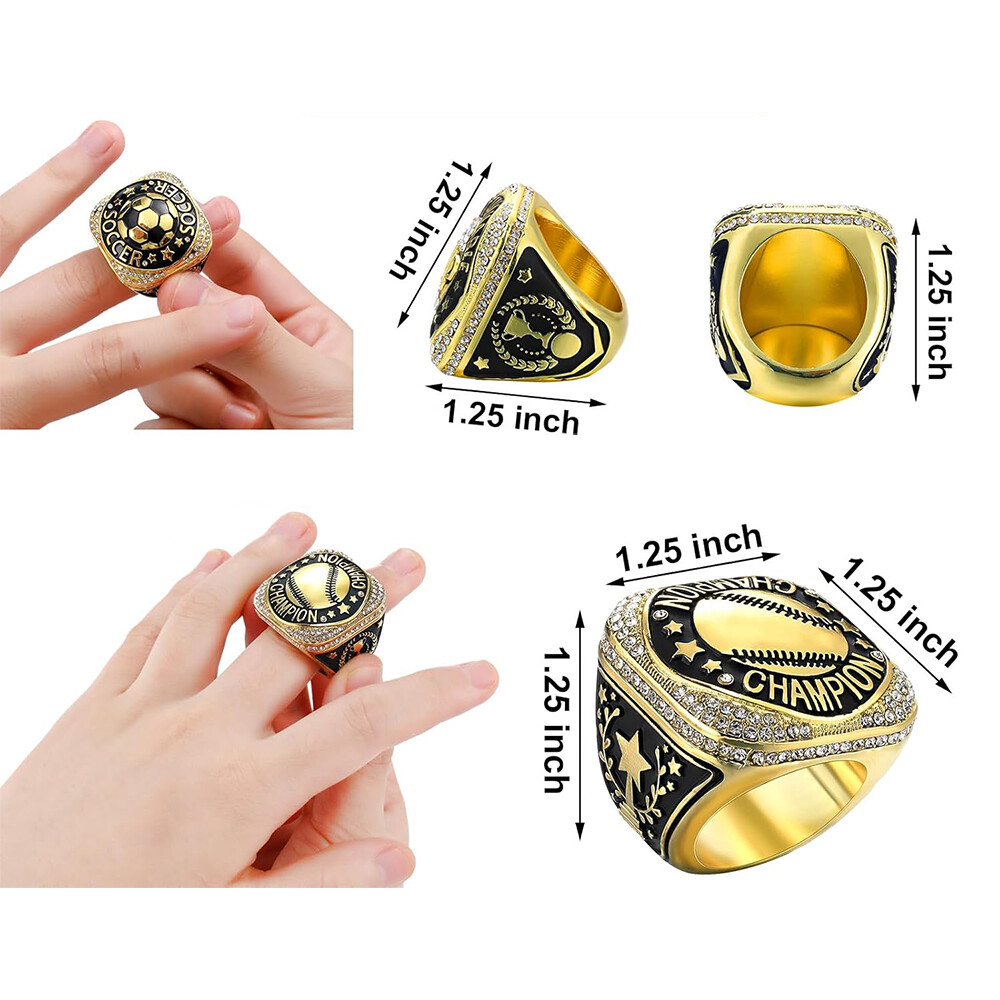
For technical evaluators assessing champion rings, material selection and surface finish directly influence durability, appearance, wear resistance, and production consistency. This guide explains how metal choices and finishing methods affect long-term performance, cost stability, and customization quality in sports awards and commemorative ring projects.
Why a Checklist Matters for Champion Rings
A polished sample can hide weak substrate metal, unstable plating thickness, or poor surface preparation. For champion rings, visual impact matters, but repeatable quality matters more.
A checklist reduces errors during quotation, sampling, and mass production. It also helps compare suppliers using measurable standards instead of appearance alone.
Core Evaluation Checklist
- Confirm the base metal first. Zinc alloy supports complex shapes, brass improves detail and polish, while stainless steel offers stronger wear resistance for daily-display champion rings.
- Check hardness against design needs. Softer metals allow sharper engraving and stone settings, but harder alloys resist dents better during shipping, handling, and long-term storage.
- Review casting or stamping suitability. Thick, sculpted champion rings usually favor casting, while cleaner lines and thinner structures often benefit from precision stamping workflows.
- Specify plating type and thickness. Gold-tone, silver-tone, antique, and nickel-free finishes each change corrosion resistance, color stability, and production cost in different ways.
- Inspect surface preparation before plating. Uneven polishing, pinholes, or mold marks will become more visible after electroplating, especially on mirror or bright metallic finishes.
- Test finish adhesion and abrasion resistance. Edges, raised logos, and inner shank areas wear first, so rub testing and tape testing help verify coating reliability.
- Match finish style to branding goals. Mirror polish creates premium shine, matte surfaces look modern, and antique effects emphasize depth on oversized sports championship ring designs.
- Evaluate stone setting compatibility. Some metals hold prongs more securely, while others work better with glued stones, soft enamel, or recessed logo inserts.
- Request consistency controls for batch orders. Compare color, weight tolerance, logo alignment, and finish uniformity across multiple samples rather than approving one perfect prototype.
- Assess packaging and post-finish protection. Individual bagging, film protection, and dry storage reduce scratches and oxidation after final inspection of champion rings.
Material Choices and Their Practical Effects
Zinc Alloy
Zinc alloy is common for custom champion rings with deep relief, bold side panels, and large top elements. It supports flexible shaping at competitive cost.
Its main watchpoint is surface density. Better polishing and plating control are needed to prevent pores, edge roughness, or finish inconsistency.
Brass
Brass offers cleaner detail and a refined polishing response. It is often preferred when premium appearance, crisp engraving, and stable electroplating are required.
Brass usually costs more than zinc alloy, but it can reduce rework when appearance standards are strict for commemorative sports awards.
Stainless Steel
Stainless steel performs well where scratch resistance and structural strength are priorities. It suits simpler shapes and practical wear-focused ring programs.
However, it is less flexible for highly sculpted surfaces. Fine decorative effects may require more processing time and specialized equipment.
Surface Finishes That Change Ring Performance
- Bright gold or silver plating: Maximizes visual appeal and ceremony impact, but reveals scratches and polishing defects faster under strong lighting.
- Matte finish: Softens glare, improves modern styling, and hides minor handling marks better than mirror-finish champion rings.
- Antique finish: Enhances relief contrast and team emblems, making text and sculpted symbols easier to read from different angles.
- Protective topcoat: Adds another barrier against oxidation and rubbing, especially useful for souvenir rings stored or displayed for extended periods.
Finish choice should follow the intended use. Display-only rings can prioritize shine, while event-distributed rings may need stronger anti-wear balance.
Application Notes Across Sports Award Scenarios
Tournament Awards
For tournament presentation, oversized champion rings often need dramatic plating, bold lettering, and strong color contrast. Antique accents can help logos stand out on stage.
Where event systems include medals and badges, coordinated finish planning improves branding consistency. A related item such as Children's Baseball Shield Medal, Bright Gold Enamel Baseball-Shaped Tournament Commemorative Badge can align visually with bright gold commemorative themes.
School and Youth Sports
School projects usually require tighter budget control and repeatable output. Zinc alloy with controlled bright plating can deliver strong presentation value without excessive tooling cost.
Weight also matters in youth award sets. Lighter pieces may be easier to distribute in larger quantities during seasonal competitions and celebration events.
Corporate and Community Sports Events
These programs often need flexible customization, moderate order quantities, and consistent finish across rings, medals, and badges. Matching metal tone supports a more professional event package.
Zhongshan Sonier Pins Co.,Ltd supports end-to-end customization across metal crafts and branded gifts, which is useful when sports recognition items must stay consistent across multiple product types.
Commonly Overlooked Risks
Ignoring edge wear: Raised borders and corners lose plating first. Review these areas closely rather than focusing only on the ring top.
Approving color from one photo: Bright gold, antique gold, and champagne tones vary under lighting. Physical samples remain the safer standard.
Skipping batch comparison: One approved sample does not guarantee mass-order consistency. Always compare several units from actual production conditions.
Underestimating storage effects: Humidity, friction, and packaging materials can affect plated champion rings before final delivery.
Actionable Execution Tips
- Start with a use-case brief covering display use, wear frequency, target finish, expected quantity, and matching award items.
- Request one polished sample and one mass-production reference sample to compare ideal appearance with realistic output.
- Define plating color, finish texture, and logo depth in writing to avoid interpretation gaps during tooling and finishing.
- Ask for small trial orders when testing new styles, especially for custom sports award programs with mixed materials or decorative stones.
Conclusion and Next Step
The best champion rings are not defined by shine alone. They depend on the right metal, disciplined surface preparation, suitable finish selection, and stable batch execution.
Use this checklist to compare samples, verify production methods, and confirm finish durability before approving final orders. Clear specifications at the start lead to better sports awards, stronger brand presentation, and fewer quality surprises.
Please give us a message

Hello! How may I help you?
Welcome to our website. We are excited to chat with you!
Contact Us