



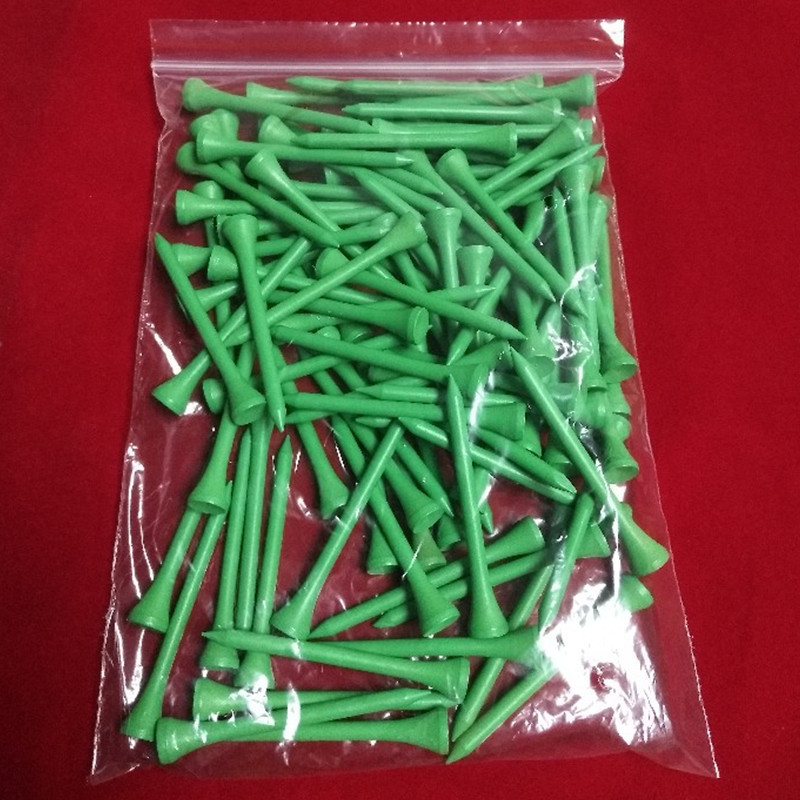
Before approving a golf spikes supplier, procurement teams and finance approvers should look beyond the quotation sheet. The details that matter most are production capability, quality consistency, tooling and customization support, delivery performance, payment terms, and whether the supplier can handle a low-risk trial order first. For buyers sourcing golf spikes or related golf accessories, these checks are what separate a workable supplier from a future cost problem.
If the goal is to reduce approval risk, the best approach is simple: verify whether the supplier can deliver stable quality at the agreed cost and timeline, while still supporting your branding, packaging, and order flexibility. A cheap price is only valuable if the supplier can actually meet specifications and avoid rework, delays, or disputes later.
What do buyers really need to confirm before approving a golf spikes supplier?
Most searchers asking which golf spikes supplier details matter before approval are not looking for generic sourcing advice. They want an approval checklist they can use internally. In practice, the most important questions are:
- Can the supplier manufacture consistently, or are they only trading products from multiple uncontrolled sources?
- Do they have a reliable quality control process for metal parts, finishing, fit, and durability?
- Can they support customized designs, logos, plating, packaging, and small adjustments without creating long delays?
- How stable is their lead time, especially for repeat orders?
- Will they accept small trial orders so risk can be tested before volume commitment?
- Are payment terms, defect handling, and after-sales responsibilities clear enough for finance approval?
For procurement staff, these points affect execution. For finance approvers, they affect total landed cost and exposure to hidden losses. A supplier should therefore be reviewed not only as a price source, but as an operational risk partner.
Production capability matters more than a low first quote
One of the first details to verify is whether the golf spikes supplier has actual production strength. This includes equipment, process control, staff experience, and the ability to handle both standard and customized orders. A supplier with real in-house capability is often better positioned to control quality, timelines, and communication than one relying heavily on outsourced production.
Ask for evidence such as:
- Factory profile and years of export or domestic manufacturing experience
- Main production processes used for metal accessories and related components
- Capacity per month for similar orders
- Examples of previous custom projects
- Whether sampling, logo development, and packaging are handled internally or externally
This is especially important when sourcing golf accessories that may require precise finishing, branding details, and durable materials. A supplier with broad metal craft manufacturing experience may also provide useful cross-category support. For example, some buyers who source sports accessories also coordinate event merchandise or commemorative products from the same network, such as Global Fun Run Metal Medal Set: Charity Run / Christmas Run / Snow Mountain Challenge / Snowflake Themed Race Commemorative Set, Includes Bottle Opener / Snow Mountain Relief Sculpture, Multi-Country Running Race Collectible Set. That kind of manufacturing overlap can be helpful when procurement wants supplier consolidation.
Quality control is the detail that protects both procurement and finance
When approving a golf spikes supplier, quality control should never be treated as a formality. It directly affects returns, replacement cost, internal complaint handling, and brand reputation. A supplier should be able to explain how they inspect raw materials, monitor production, and verify finished goods before shipment.
Key quality questions include:
- What are the inspection checkpoints during production?
- How are dimensions, surface finish, strength, and consistency checked?
- How are defective pieces isolated and recorded?
- Can the supplier provide pre-shipment photos, videos, or inspection reports?
- What is the procedure if quality issues are found after delivery?
Finance teams care about this because poor quality is rarely limited to replacement cost. It can also create rush freight charges, internal labor cost, delayed launches, and lost customer confidence. A supplier with strong quality discipline is often more cost-effective over time than a lower-priced supplier with unstable output.
Customization support is critical if your order includes branding or special specifications
Many golf spikes purchases are not purely commodity buying. Buyers often need custom logos, private labeling, packaging adjustments, finish changes, or matching accessory requirements. If a supplier cannot handle customization smoothly, the order can become slow and expensive even when the base unit price looks attractive.
Before approval, confirm:
- Minimum order quantity for customized golf spikes
- Sampling timeline and sample revision policy
- Artwork or logo file requirements
- Packaging options for retail, bulk, or promotional use
- Whether custom molds or tooling fees apply
- How design changes affect lead time and unit price
This is where an experienced supplier can add value. Suppliers with end-to-end support and free product consultation can help buyers avoid design choices that increase cost without improving performance. The best partners do not just say yes to customization; they guide the buyer toward manufacturable, budget-friendly solutions.
Lead time reliability is often a bigger approval issue than unit price
Many sourcing problems begin when a supplier promises an aggressive delivery date but cannot maintain it once the order is confirmed. For procurement teams, late shipments create operational pressure. For finance approvers, delays can distort sales planning, inventory timing, and cash flow assumptions.
Ask the supplier for realistic answers on:
- Sample lead time
- Mass production lead time
- Peak season capacity constraints
- Average on-time shipment performance
- How urgent orders are managed
It is also useful to ask whether the supplier accepts small-batch trial orders first. This is a strong approval advantage because it allows the buyer to test quality, communication speed, and delivery discipline before committing to larger volume. Suppliers willing to support trial orders usually show more confidence in their process and more flexibility in building long-term business.
What finance approvers should review beyond the quoted price
Finance teams often receive sourcing requests after product selection is already underway, but the best approvals happen when commercial risk is reviewed early. A golf spikes supplier should be evaluated on total procurement impact, not only ex-works or FOB pricing.
Important finance review points include:
- Payment terms and deposit requirements
- Whether pricing is stable or subject to raw material fluctuation
- Tooling charges, sampling fees, or packaging add-ons
- Defect compensation policy
- Cost impact of delayed delivery or urgent reshipment
- Exchange rate exposure for international orders
A supplier with transparent pricing and clear after-sales responsibility is easier to approve than one with a lower quotation but vague commercial terms. Predictability matters. Hidden costs usually appear later in the process, when they are harder to control.
How to reduce approval risk with a practical supplier evaluation process
If your company is comparing multiple golf spikes suppliers, a simple weighted review process is often the best solution. Instead of selecting based on price alone, rate each supplier across the factors that affect actual performance:
- Production capability
- Quality control system
- Customization support
- Lead time reliability
- Commercial clarity
- Communication responsiveness
- Trial order flexibility
This makes internal approval easier because procurement and finance can align around measurable standards. It also creates a documented basis for supplier selection, which is useful when explaining why one supplier was chosen over a cheaper alternative.
In some cases, buyers working with metal craft manufacturers may also benefit from exploring related product categories for campaigns, events, or branded sports promotions. For instance, a supplier ecosystem that supports customized sports accessories may also be relevant for items like the Global Fun Run Metal Medal Set: Charity Run / Christmas Run / Snow Mountain Challenge / Snowflake Themed Race Commemorative Set, Includes Bottle Opener / Snow Mountain Relief Sculpture, Multi-Country Running Race Collectible Set. This kind of flexibility can support broader purchasing efficiency when departments want one dependable customization partner.
Final approval should be based on risk control, not just product availability
The supplier details that matter before approving a golf spikes supplier are the ones that affect execution after the purchase order is issued: manufacturing capability, quality consistency, customization competence, delivery reliability, commercial transparency, and willingness to start with a trial order. These are the details that help buyers avoid late surprises.
For procurement personnel, the right supplier is the one that can deliver according to specification and schedule with minimal operational friction. For finance approvers, the right supplier is the one that keeps total cost predictable and risk manageable. When both perspectives are considered together, approval decisions become stronger, faster, and more defensible.
Please give us a message

Hello! How may I help you?
Welcome to our website. We are excited to chat with you!
Contact Us