



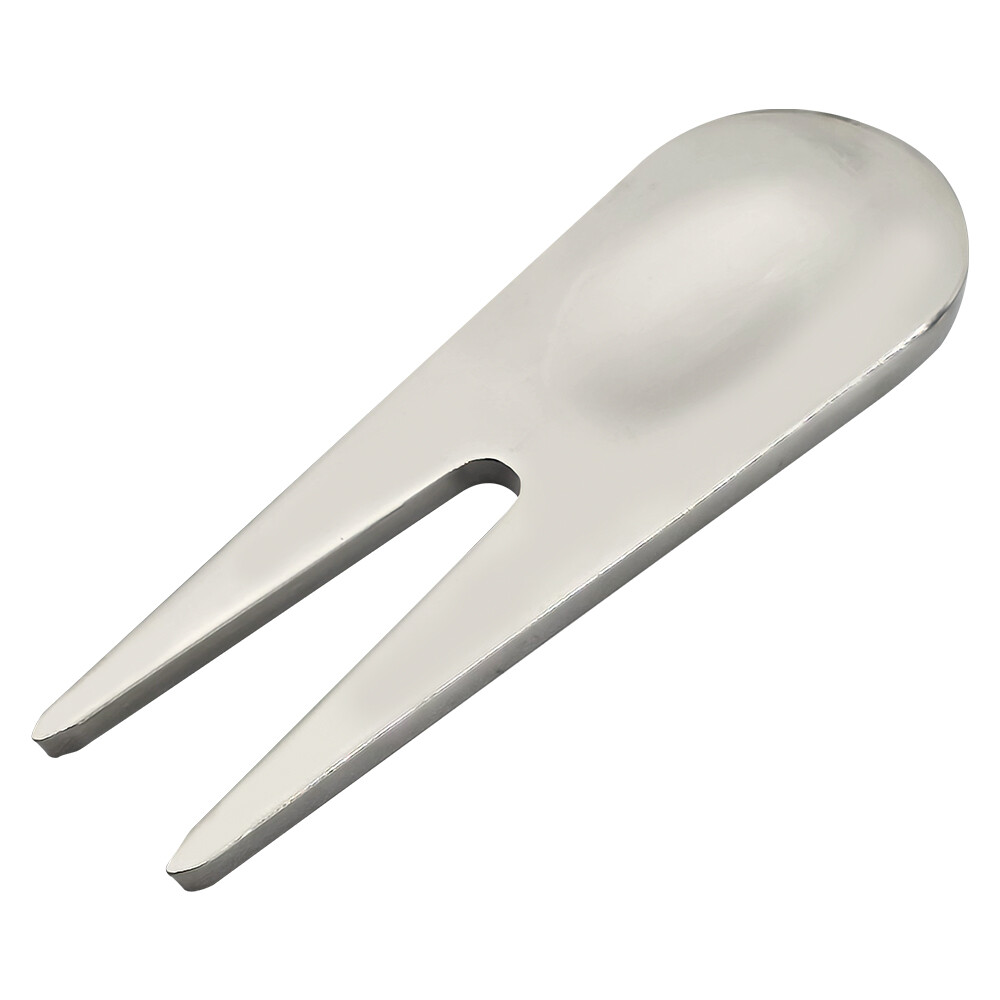
Choosing the right golf fork manufacturer can help buyers balance product quality, branding, and budget. From custom Golf fork designs to matching Golf spikes and gift packaging, a reliable supplier can tailor materials, logos, finishes, and order quantities to fit different purchasing needs. For procurement teams and financial decision-makers, the key is finding a partner that offers stable quality, flexible customization, and cost-effective production.
In the sports goods sector, especially for golf accessories used in tournaments, club promotions, retail bundles, and corporate gifts, customization is no longer limited to putting a logo on a standard item. Buyers now expect a manufacturer to support design adaptation, material selection, finish consistency, packaging coordination, and practical order planning. This is particularly important when the purchase must satisfy both brand presentation and internal budget review.
For procurement officers, the challenge is often operational: lead time, sampling, defect control, MOQ flexibility, and supplier communication. For finance approvers, the focus is different but connected: cost predictability, waste reduction, and whether a customized accessory can deliver enough brand value to justify tooling, packaging, and freight. A capable golf fork manufacturer should address both sides through transparent processes and scalable production.
Zhongshan Sonier Pins Co.,Ltd focuses on the manufacture and distribution of metal crafts, leather goods, and corporate gift lines, with nearly 13 years of domestic and international trade experience and shipments to more than 10 countries. For buyers in golf-related programs, that background matters because golf forks are often purchased not as standalone tools, but as part of a coordinated accessory set where appearance, durability, and presentation all influence final purchasing decisions.
Core customization options a golf fork manufacturer can provide
A professional golf fork manufacturer can usually customize 5 major areas: structure, material, logo application, surface finish, and packaging. These are not cosmetic details alone. Each one affects unit cost, production time, and user perception. In B2B purchasing, small specification changes can shift the project from a low-cost giveaway to a premium tournament or club gift item.
Structural customization includes the fork shape, number of prongs, handle thickness, folding or fixed format, and added functions such as a magnetic ball marker holder. A standard model may reduce development time by 3–7 days, while a fully new mold or shape usually requires extra confirmation rounds. Buyers planning seasonal promotions should factor this into the launch schedule early.
Material customization is especially important in sports accessories because it influences durability, hand feel, and perceived value. Common options include zinc alloy, stainless steel, iron, or mixed-material combinations with leather details. For finance teams, the practical question is whether the upgrade in appearance leads to better gifting performance or stronger resale positioning. The answer often depends on audience type, order quantity, and event level.
Logo customization can be achieved through stamping, die casting, printing, laser engraving, enamel filling, or attached emblems. Different methods suit different branding goals. If a logo contains fine lines below 0.3 mm or multiple colors, the manufacturer should advise on the most stable method before sample approval. That can prevent rework, especially when the design must be repeated across several golf accessories.
Typical customization dimensions buyers should confirm
Before requesting a quotation, procurement teams should define the commercial use case. A golf fork for retail display, a tournament giveaway, and a corporate gift set may all look similar, but they require different positioning. The table below shows how customization priorities normally differ by project type.
The key takeaway is that customization should start from usage context, not from appearance alone. A capable supplier helps buyers align fork design, finish, and packaging with final distribution goals. That reduces over-specification, which is a common reason why sports gift projects exceed budget without improving actual value.
- Define whether the item is for retail, event use, membership gifting, or corporate branding.
- Confirm logo artwork format, target quantity, and required delivery window before sampling.
- Ask whether the same visual language can be extended to other golf accessories in the same order.
How material, finish, and accessory matching affect cost and brand value
Material and finish choices have a direct impact on both unit pricing and brand positioning. In golf accessories, buyers often compare plated metal items against lower-cost alternatives without considering how touch, weight, and finish retention influence user perception. For a corporate gift or club-branded accessory, these differences become visible within the first 10–20 seconds of handling the product.
A heavier metal fork with clean edges and a stable plating finish usually supports a more premium impression than a light, thin item with rough polishing marks. However, premium should be defined carefully. If the project involves 300 pieces for a local event, an overly complex process may not generate proportional value. If the order is 3,000 pieces for membership kits or reseller programs, finish consistency becomes more important because variation is easier to notice across batches.
Accessory matching is another area where an experienced manufacturer adds value. Buyers often order golf forks together with ball markers, keychains, leather sleeves, or tees. In some projects, it also makes sense to combine the fork with Golf Spikes for a coordinated set. When the supplier can align metal tone, packaging style, and logo treatment across items, the final package looks more deliberate and commercially stronger.
Related accessory items may use different material families, so compatibility matters. For example, golf tee options in Classic Wood, Bamboo, Plastic/Rubber, or Metal support different use cases. Wood and bamboo offer a natural or eco-oriented impression, while ABS, PLA, or PE plastic variants are useful when multicolor visibility is needed. Alloy or stainless steel versions are more suitable for souvenir or gift positioning than for routine disposable use on course.
Comparing customization choices by budget and application
The following comparison helps procurement and finance teams evaluate which specification level fits the intended program. Rather than focusing only on the quoted unit price, compare the full package: perceived value, durability, packaging need, and repeatability.
For many buyers, the best solution is the middle tier: visible branding quality without unnecessary process complexity. This is where supplier guidance matters. A manufacturer with end-to-end customization capability can recommend where to spend more and where to simplify, often improving the approval outcome for both purchasing and finance.
Practical cost-control tips
- Keep the base structure standard if timing is tight and branding can be expressed through finish and packaging.
- Use 1–2 strong brand colors instead of highly complex decoration when quantity is below 500 pieces.
- Combine accessories into one gift set only when packaging value offsets added assembly and freight cost.
What procurement teams should ask before approving a custom order
A quotation alone does not reveal whether a golf fork manufacturer is a safe purchasing choice. Procurement teams should ask process-based questions that expose how the supplier handles drawings, sampling, quality checkpoints, and order changes. This is especially important when the project must pass internal approval in 2 or 3 stages, including design sign-off, price confirmation, and final shipment release.
Start with sample control. Ask how many sample rounds are typical, what details can be adjusted after the first prototype, and how finish approval is documented. If the order includes custom plating or enamel color, a physical sample or clearly recorded approval reference can reduce disputes later. In custom sports gift production, visible defects often come from finish mismatch rather than structural failure.
Next, review MOQ and batch flexibility. Some suppliers only support large runs, while others can accept small-batch trial orders. For buyers testing a new market or running a pilot program, the ability to start with a limited quantity may reduce inventory risk. A flexible supplier can support phased purchasing instead of forcing an oversized first order that ties up budget.
Zhongshan Sonier Pins Co.,Ltd emphasizes free product consultation, customization support, and acceptance of small trial orders. For decision-makers, this can be useful when product direction is still being validated. It allows the team to compare a standard golf fork, a gift-set version, and a coordinated accessory plan before committing to a larger repeat order.
Key supplier evaluation checklist
The table below can be used during supplier review meetings or RFQ comparison. It focuses on practical questions rather than generic claims, helping buyers identify which manufacturer can actually support reliable customization in the golf accessories category.
A strong supplier evaluation process reduces hidden costs. Even if one quote is 5%–10% lower, that advantage can disappear quickly if sampling takes too long, logo quality is inconsistent, or packaging errors create replacement work. Reliable customization is often more economical than a low initial quote followed by avoidable corrections.
Questions finance approvers should not skip
- What parts of the cost are fixed, and what parts may change after artwork or packaging confirmation?
- Does the supplier offer a small-batch verification step before full-scale production?
- Can packaging, accessory bundling, and freight planning be optimized together to lower landed cost?
Lead time, trial orders, and quality control in custom golf accessory production
In custom golf accessory sourcing, timing is often tied to event dates, retail launches, or seasonal marketing windows. A manufacturer should therefore explain lead time in stages instead of giving only one total number. In most projects, buyers should separate artwork review, sample production, mass production, and packing. That makes it easier to identify which stage carries the highest delay risk.
As a general industry range, standard-logo projects may move faster than full custom structure projects. Sample development might take around 5–10 working days depending on complexity, while mass production can vary by quantity, finish, and packaging needs. The exact timeline will differ, but the principle is consistent: the more custom variables you add at once, the more important process discipline becomes.
Trial orders are especially valuable for first-time buyers, new event programs, or clubs testing a fresh merchandise line. A small pilot batch can reveal whether the selected plating, logo method, and packaging concept work as expected in real use. It can also help finance teams validate whether the chosen specification delivers acceptable value before scaling to 1,000 pieces or more.
Quality control in golf fork production should cover at least 4 areas: visual finish, structural alignment, logo accuracy, and packing correctness. If the project includes coordinated accessories such as tees or leather items, the inspection standard should include set-matching consistency. When a supplier manages multiple components under one order, process coordination becomes as important as the quality of the fork itself.
A practical 5-step order process
- Requirement confirmation: quantity, target market, usage scenario, logo files, packaging expectation.
- Quotation and solution adjustment: compare structural options, finish choices, and accessory combinations.
- Sample approval: verify color, polish, dimensions, and branding details before mass production.
- Production and inspection: monitor finish consistency, assembly quality, and count accuracy by batch.
- Packing and shipment: confirm carton labeling, gift-set arrangement, and shipping schedule.
This step-by-step approach helps both buyers and suppliers avoid the most common problems: unclear specifications, rushed revisions, and mismatched packaging. It also creates a documented path for approval, which is useful when more than one department is involved in the purchase decision.
Common risks to manage early
- Artwork submitted too late, compressing sample review into less than 48 hours.
- Custom gift packaging approved separately from the product, causing fit or assembly issues.
- Different accessories in one set using unmatched metal tones or inconsistent logo positioning.
FAQ for buyers comparing custom golf fork suppliers
How much can a golf fork manufacturer usually customize?
Most capable manufacturers can customize the fork body, logo, plating color, marker integration, and packaging. The real difference lies in whether they can coordinate these elements efficiently. A supplier that only offers logo changes is suitable for simple promotions, while a supplier with broader manufacturing capability is better for tournament gifts, club merchandise, and branded golf accessory sets.
Is a small trial order worth it for a finance-controlled project?
Yes, in many cases it is. A trial order can reduce decision risk, especially when the product is new, the logo treatment is complex, or the accessory set includes multiple components. Even if the unit cost is slightly higher in a small batch, the pilot can prevent a much larger loss caused by an unsuitable design or packaging plan in mass production.
What should buyers check when matching forks with other golf items?
Check metal tone, logo style, packaging size, and intended user profile. If you are adding tees, marker coins, or leather goods, ensure the whole set follows one clear visual direction. For tee selection, material matters: bamboo supports eco-oriented campaigns, plastic options support bright visibility, and metal versions suit commemorative or souvenir positioning better than regular on-course use.
What delivery details are most often overlooked?
Buyers often focus on product production but overlook packaging confirmation, carton labeling, and final inspection timing. In practice, these details can affect delivery as much as the product itself. If your shipment supports a fixed event date, build in a safety buffer of several days rather than relying on the earliest possible production completion estimate.
A golf fork manufacturer can customize far more than surface branding. The right partner can help you adjust structure, materials, logo methods, finishes, packaging, and accessory matching to fit the exact needs of your golf merchandise, event gift, or corporate purchasing program. For procurement teams, this means better control over quality, MOQ flexibility, and delivery planning. For finance approvers, it means a clearer path to cost-effective customization without unnecessary complexity.
With nearly 13 years of trade experience, end-to-end customization support, and openness to small batch trial orders, Zhongshan Sonier Pins Co.,Ltd can assist buyers who need practical, brand-ready golf accessory solutions. If you are comparing suppliers or planning a new custom golf fork project, now is a good time to discuss specifications, packaging, and matching product options in detail. Contact us today to get a tailored proposal, review product details, and explore the right solution for your next golf accessory order.
Please give us a message

Hello! How may I help you?
Welcome to our website. We are excited to chat with you!
Contact Us