



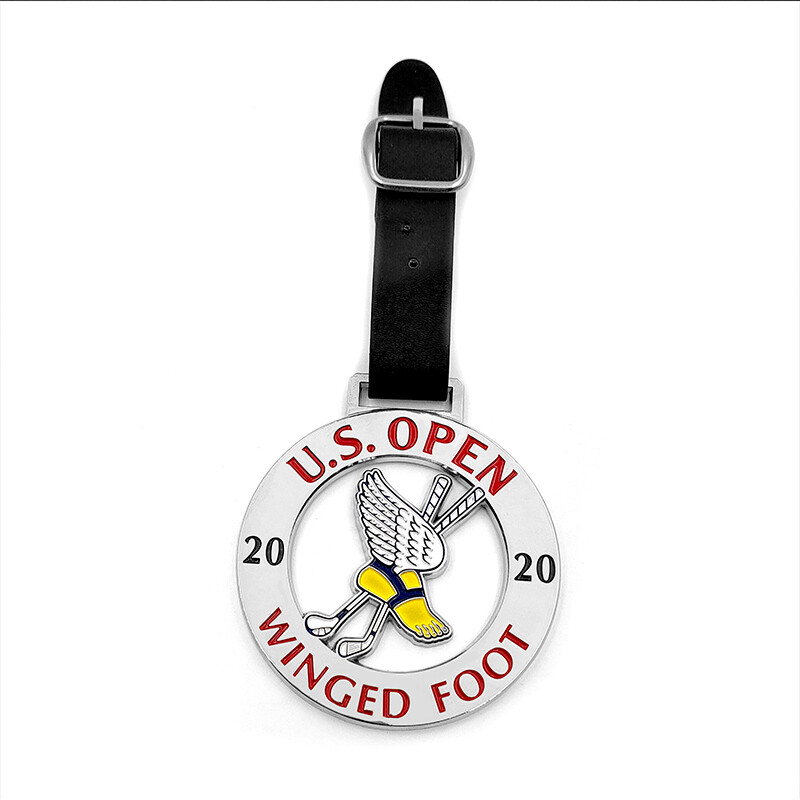
When sourcing custom metal badges for sale, procurement teams often face delays caused by artwork revisions, mold complexity, plating selection, sample approval, and shipping coordination. Understanding these bottlenecks early can help buyers reduce lead times, control costs, and keep project schedules on track. This article explains the key factors that slow delivery and how to avoid them efficiently.
For sports goods buyers, delivery timing is rarely just a production issue. Metal badges, finisher medals, race pins, club emblems, and event souvenirs are often tied to fixed dates such as marathon weekends, school tournaments, community races, and sponsor activation campaigns. If delivery slips by even 5 to 7 days, the impact can reach athlete registration packs, retail launches, award ceremonies, and brand reputation.
In practice, delays usually come from a chain of small decisions rather than a single major failure. Artwork readiness, die structure, color filling method, plating choice, packaging details, and final logistics all affect the schedule. Procurement teams that understand these steps can compare suppliers better, ask the right questions earlier, and reduce rework before mass production starts.
With nearly 13 years of domestic and international trade experience, Zhongshan Sonier Pins Co.,Ltd supports buyers with end-to-end metal craft customization, free product consultation, and small trial orders. For sports event sourcing, that matters because early technical review can often save 3 to 10 days across development, sampling, and shipping.
Where delivery delays usually begin in sports badge projects
The first slowdown often starts before production begins. Many procurement teams send a logo file, event date, and target quantity, but key specifications are still missing. For custom metal badges for sale used in sports programs, suppliers usually need at least 6 core details: size, thickness, plating, attachment, color process, and packaging method. If 2 or 3 items remain unclear, the supplier may need multiple confirmation rounds before making the artwork or mold layout.
Event-driven sports products are especially sensitive to artwork accuracy. A half marathon medal, football club badge, school sports day pin, or sponsor commemorative emblem may include bilingual text, exact race dates, serial numbering, and organizer branding. Even a minor typo in “2025” or a wrong finish category can force a full artwork revision, adding 1 to 3 working days. If the design already entered die making, the cost and delay become more serious.
Another common issue is unrealistic timeline planning. Some buyers count only factory production time, such as 7 to 12 days, but ignore pre-production confirmation and post-production freight. In real B2B sports sourcing, the full cycle often includes 2 to 4 days for artwork, 5 to 7 days for sampling if required, 10 to 18 days for bulk production, and another 3 to 12 days for delivery depending on the shipping mode.
Typical early-stage bottlenecks
The table below shows the most frequent delay points before and during manufacturing for sports badge procurement. These are not unusual problems; they are standard risk points that should be managed from the RFQ stage.
The key takeaway is that lead time starts long before plating and assembly. Procurement teams in sports goods should treat specification completeness as part of schedule control. A supplier with strong technical review capability can detect issues earlier and reduce unnecessary loops.
What buyers should confirm before asking for a final quote
- Badge or medal size in millimeters, such as 40 mm, 55 mm, or 70 mm.
- Target order volume, for example 300, 1,000, or 5,000 pieces, because output planning changes by quantity.
- Attachment type, including butterfly clutch, safety pin, magnet, or ribbon loop.
- Surface finish choice such as shiny gold, nickel, matte black, or antique silver enamel.
- Required delivery date including buffer time of at least 5 to 10 days before the sports event.
How design complexity and process choices extend production time
Not all custom metal badges for sale are equally easy to manufacture. A simple round badge with 2 enamel colors and standard pin backing may move quickly through die striking, coloring, polishing, and packing. A shaped sports medal with cut-outs, layered relief, antique finish, translucent color, and special attachment needs more manual steps and stricter inspection. In many cases, complexity adds 20% to 50% more handling time compared with a basic design.
Sports event products often demand stronger visual storytelling. Buyers may want mountain silhouettes for trail runs, stadium outlines for football tournaments, flame graphics for youth games, or custom spinner parts for challenge races. These features improve event value, but they also increase mold precision requirements. Narrow bridges, raised lettering below 1.2 mm, and deep recessed areas may slow polishing, enamel filling, and plating consistency.
Plating is another underestimated factor. Some finishes are straightforward, while others require closer color matching or antique effect control. For commemorative sports items, antique silver, antique bronze, or dual-tone finishes are popular because they create a premium finish-line feel. However, if the buyer changes plating after sampling, the factory may need to recheck surface texture, fill contrast, and packing presentation, which can add 2 to 4 working days.
Process options and their scheduling impact
Before finalizing artwork, procurement teams should compare appearance goals with realistic production rhythm. The following table helps buyers understand which process combinations are usually faster and which require additional time in sports medal and badge programs.
The fastest route is not always the best commercial choice. If the badge or medal is meant to mark a milestone event, a more elaborate finish may deliver stronger value for athletes, sponsors, and organizers. For example, an Half Marathon Commemorative Medal, Antique Silver Enamel Metal Badge, 2025 Viña Race FINISHER Pendant fits celebration events, various sports, school activities, corporate challenges, and community competitions, but its commemorative character also requires careful process planning.
Practical design rules to avoid production slowdown
- Keep small text above 1.5 mm height where possible for cleaner die definition.
- Limit the number of enamel colors in urgent projects to 4 to 6 colors instead of 8 or more.
- Use one plating option across the full order unless mixed finishes are commercially necessary.
- Confirm back-side content early, especially if you need event date, sponsor mark, or individual numbering.
Why sample approval and communication speed matter more than many buyers expect
For procurement teams, internal approval often becomes the hidden bottleneck. The supplier may finish digital artwork in 24 to 48 hours, but if the buyer needs confirmation from marketing, event operations, legal, and the sponsor side, the approval chain can stretch to 3 or 5 days. During peak sports seasons, that delay pushes the job into the next production slot.
Physical samples create another timing decision. For repeat orders or straightforward sports badges, some buyers approve from detailed artwork and plating references only. For new marathons, branded tournaments, or premium award medals, a pre-production sample is often worth the extra time because it reduces risk in bulk output. The trade-off is clear: sampling may add 5 to 7 working days, but it can prevent a much larger loss if 2,000 pieces are produced with the wrong finish or attachment.
Communication quality matters as much as communication speed. A one-line reply such as “please adjust” is not enough in badge manufacturing. Buyers should mark exact text changes, confirm Pantone expectations if relevant, and identify whether the issue affects mold, color, plating, or packing. Clear feedback in one consolidated message can save 1 to 2 days compared with fragmented comments sent over multiple rounds.
A faster approval workflow for sports procurement teams
A structured internal process helps avoid avoidable delay. This is especially useful for schools, race organizers, sports retailers, and corporate wellness programs that manage multiple stakeholders.
- Assign one approval owner who consolidates all edits before sending feedback to the supplier.
- Set a fixed response window of 24 hours for artwork review and 48 hours for sample review.
- Use a checklist covering logo accuracy, event title, year, finish, attachment, and packaging details.
- Approve freight mode at the same time as sample approval to avoid late logistics decisions.
When a sample is strongly recommended
Sampling is particularly important when the project includes any of the following: a first-time supplier relationship, a new event identity, a complex 3D medal structure, antique silver enamel contrast, customized gift boxes, or multiple attachment combinations. In these cases, the sample stage acts as insurance for both delivery and quality control.
Experienced manufacturers can support this phase with product consultation and technical advice instead of waiting passively for revisions. That is one reason many buyers prefer a supplier able to review manufacturability at the start rather than only provide price after receiving the drawing.
How shipping, packaging, and order planning affect the final delivery date
Even when production finishes on time, the final delivery can still slip because logistics was planned too late. Sports procurement is deadline-based. A race medal delivered 2 days after the event has almost no functional value. Buyers therefore need to plan delivery backward from the event date, not forward from purchase order confirmation.
Packaging is part of logistics efficiency. Individual polybags are usually quick, while printed backing cards, velvet pouches, or presentation boxes need separate preparation and packing time. For bulk sports events, standard protective packaging may be enough. For sponsor gifts or VIP finisher kits, enhanced packaging can improve perceived value but may add 2 to 5 days, especially if packaging components are sourced from different lines.
Shipping mode is another major variable. Express delivery may take around 3 to 7 days, air freight about 5 to 10 days in many routes, and sea freight much longer depending on destination and customs handling. Procurement teams should also consider seasonal pressure before major race periods, public holidays, and destination customs review, each of which can extend the real transit window.
Suggested backward scheduling for event-linked badge orders
The table below gives a practical planning model for sports event buyers working with custom metal badges for sale. It is not a fixed rule, but it provides a reliable buffer framework.
This schedule shows why late purchasing creates pressure across every downstream step. In sports goods sourcing, buffer time is not waste. It is protection for event delivery, athlete experience, and internal coordination.
Order planning tips for buyers handling multiple sports programs
If your company manages several tournaments, school activities, community competitions, or corporate challenges each quarter, bundling similar badge requirements can improve purchasing efficiency. Standardizing attachment types, backing cards, and carton labeling across programs often reduces communication time and packing variation. In some cases, even a small batch trial order can help verify supplier responsiveness before a larger annual event rollout.
How to choose a supplier that helps reduce delay instead of adding to it
Price matters, but for event-based sports procurement, delivery reliability and technical communication are often more important than a small unit-price difference. A supplier may quote aggressively and still create hidden costs through artwork confusion, inconsistent quality control, or slow problem resolution. Buyers should therefore evaluate the full service path, not just the ex-factory price.
A capable manufacturer should be able to explain process feasibility, identify risk points before die making, and suggest practical adjustments when the original design is difficult to produce on time. This is especially valuable for commemorative sports products that need to record the glorious moments of each occasion while still meeting a fixed calendar date. Strong equipment, stable quality control, and customization support reduce uncertainty throughout the order cycle.
For example, buyers sourcing elaborately crafted medals or badges for celebration events, school activities, public welfare activities, or design competitions may want customizable services without taking on high trial risk. A supplier willing to accept small trial orders and offer design solutions can help procurement teams validate finish, craftsmanship, and communication before scaling to a larger quantity.
Supplier evaluation checklist for sports badge procurement
The following points help procurement teams compare suppliers more effectively during RFQ and negotiation.
- Can the supplier review artwork and propose manufacturable revisions within 24 to 48 hours?
- Do they explain the lead time by stage, including artwork, sample, bulk production, and shipping?
- Can they support small batch trial orders before a full seasonal sports program order?
- Do they clarify packaging options, inspection points, and logistics coordination early?
- Can they handle customized products across different applications such as races, school sports, corporate wellness events, and community competitions?
FAQ for procurement teams
How long do custom metal badges for sale usually take?
A common working range is around 2 to 4 weeks from approved artwork to delivery, but this depends on design complexity, quantity, sample needs, and freight mode. For simpler sports badges, the cycle can be shorter. For premium finisher medals with antique finish and custom packaging, it can be longer.
What is the fastest way to reduce delivery risk?
Provide complete specifications at the start, keep one internal approval owner, approve artwork quickly, and decide shipping mode before bulk production begins. These four actions remove many avoidable delays.
Is a more customized design always a bad idea for urgent orders?
Not necessarily. It depends on the design details and supplier capability. Some premium finishes are manageable within a normal timeline if technical review happens early. The real risk comes from late changes after mold or sample completion.
What kind of sports-related products fit broader event use?
Products like the Half Marathon Commemorative Medal, Antique Silver Enamel Metal Badge, 2025 Viña Race FINISHER Pendant are suitable not only for races, but also for community competitions, school activities, corporate challenges, and recognition-focused celebration events where the goal is to create a lasting commemorative record.
Delays in sports badge sourcing usually come from predictable points: incomplete specifications, complex design decisions, slow approval, packaging changes, and late logistics planning. Procurement teams that manage these stages early can shorten lead time, avoid rushed shipping, and protect event schedules without sacrificing product value.
Zhongshan Sonier Pins Co.,Ltd supports buyers with end-to-end customization, product consultation, quality-focused manufacturing, and flexible trial-order cooperation for metal crafts and commemorative items. If you are planning custom metal badges, race medals, or sports event souvenirs, contact us now to get a practical production plan, confirm feasible lead times, and request a tailored solution for your next project.
Please give us a message

Hello! How may I help you?
Welcome to our website. We are excited to chat with you!
Contact Us