



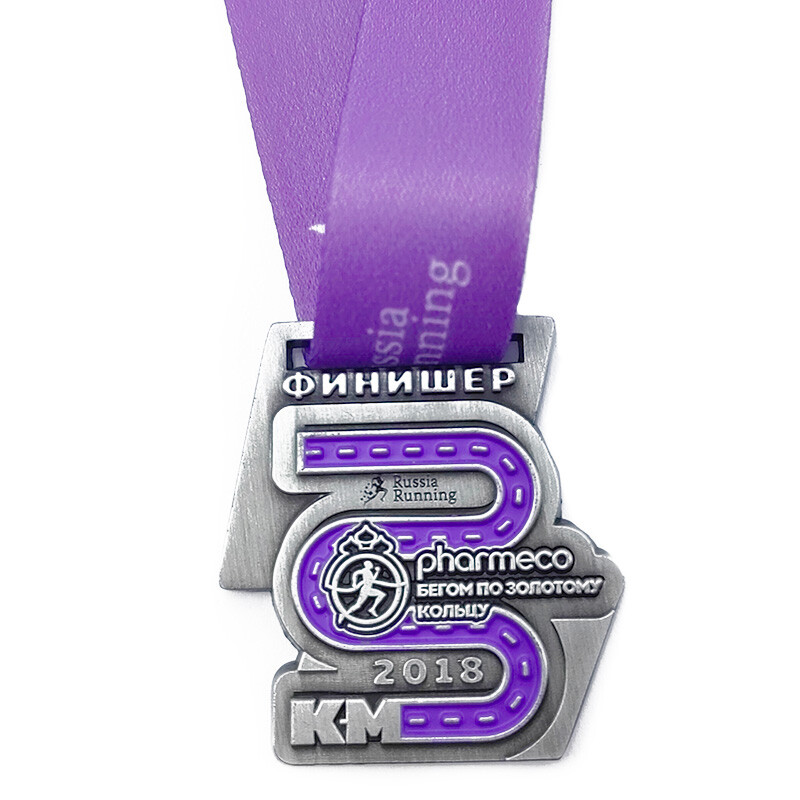
When sourcing custom metal badges for sale, buyers often focus on design, finish, and price—but packaging can also influence perceived value, brand image, and delivery protection. For procurement teams in the sports goods industry, the right custom packaging may help products stand out, improve presentation, and support bulk purchasing goals. So, does custom packaging really add value, or is it an unnecessary cost?
The short answer is: sometimes yes, but not always. Custom packaging adds value when it supports a clear purchasing goal—such as improving presentation, protecting badge quality during shipping, strengthening event branding, or making distribution easier. If the badges are mainly for internal use, bulk giveaway, or cost-sensitive programs, standard packaging may be the smarter choice. For procurement professionals, the key is not whether custom packaging sounds premium, but whether it delivers measurable value in the actual use scenario.
What procurement buyers really need to decide first
For buyers in the sports goods sector, packaging should be evaluated as part of the total purchasing outcome, not as a decorative extra. A useful decision starts with a few practical questions:
- Who will receive the badges—athletes, sponsors, staff, fans, or retail customers?
- Will the badges be handed out individually, sold, gifted, or packed in bulk?
- Does presentation affect the event image or brand impression?
- Is there a risk of scratching, oxidation, or damage during transport?
- Does the packaging improve logistics, labeling, or distribution efficiency?
If the answer to several of these questions is yes, custom packaging is more likely to justify the cost.
When custom packaging adds real value to custom metal badges for sale
Custom packaging creates value when it solves business problems or improves user experience in visible ways. In procurement terms, the most common value points are the following.
1. Better perceived value at first sight
Even when the badge itself is affordable, better packaging can make it feel more premium. This matters for commemorative sports events, sponsor gifts, club merchandise, and award programs. A badge placed in a branded backing card, velvet pouch, or presentation box often feels more official and memorable than one packed in a simple polybag.
2. Stronger event and brand presentation
In sports-related purchasing, visual consistency matters. Packaging can carry logos, event names, dates, slogans, or team colors. That helps build a more complete branded experience, especially for tournaments, swimming events, youth leagues, and corporate sports challenges.
3. Better product protection
Metal badges can be scratched or damaged if packed carelessly in bulk. This is especially important for badges with plated surfaces, enamel details, or polished finishes. Protective custom packaging can reduce complaints, rework, and replacement rates during shipping and handling.
4. Easier sorting and distribution
For large events, packaging can simplify operations. Individually packed badges with labeled cards or grouped sets can reduce confusion at the point of distribution. This is useful when different badge versions are issued for participants, VIP guests, volunteers, or winners.
5. More resale or gifting potential
If the badge is sold as merchandise or used as a commemorative gift, packaging directly affects shelf appeal and buyer perception. This is where packaging often shifts from optional to commercially useful.
When custom packaging may not be worth the extra cost
Not every order needs it. Procurement teams should be cautious about adding packaging just because it seems more sophisticated. In many cases, standard packaging is enough.
- Large-volume promotional distributions where low unit cost is the main target
- Internal organization use with no retail or gifting purpose
- Short-term campaigns where presentation has limited impact
- Orders where the badge will be repacked locally anyway
- Projects with strict shipping volume or storage constraints
Custom packaging can increase not only unit price, but also packing time, carton size, freight cost, and warehouse handling complexity. If those added costs do not support a visible purchasing goal, it may reduce overall value instead of increasing it.
How buyers should evaluate packaging ROI
Procurement decisions are stronger when packaging is reviewed through return on investment rather than appearance alone. A simple way to assess this is to compare added packaging cost against practical gains.
Look at direct value
- Lower damage rate during transit
- Reduced need for repacking
- Faster event-day distribution
- Improved retail or gift presentation
Look at indirect value
- Better brand perception
- Higher recipient satisfaction
- More professional event image
- Stronger sponsor impression
For example, a simple custom backing card may provide a good balance between cost and presentation, while a rigid gift box may only make sense for premium award badges or executive gift sets. The best packaging choice is often not the most expensive one, but the one that fits the badge’s actual role.
Packaging options that usually make sense for sports badge procurement
In the sports goods industry, buyers often need practical, scalable packaging choices. Common options include:
- Polybag: low cost, basic protection, suitable for bulk orders
- Backing card: affordable branding upgrade, useful for display and identification
- Velvet pouch: suitable for commemorative or award-style presentation
- Paper box: good for premium gifting and stronger perceived value
- Blister packaging: useful for retail display and anti-loss handling
The right selection depends on order quantity, distribution method, audience, and budget discipline.
Why product type and event context matter
Packaging decisions should also reflect the product category. A simple participation badge and a collectible commemorative piece should not be packaged the same way. For example, buyers sourcing medals for school meets, club activities, or community swimming competitions may want a more presentable format if the item is meant to mark achievement and become a keepsake.
That is also why some procurement teams pair badge sourcing with related award items such as Competition medals as commemorative inexpensive medals for swimming. In event settings where recognition, ceremony, and memory all matter, presentation can support the emotional value of the product just as much as the material itself.
How a reliable supplier helps buyers make the right packaging choice
Buyers do not just need manufacturing capacity—they need guidance. An experienced supplier should help assess whether custom packaging is necessary, which option fits the budget, and how to avoid overengineering the order.
Zhongshan Sonier Pins Co.,Ltd specializes in metal crafts, leather goods, and exclusive corporate gift lines, providing end-to-end solutions, free product consultation, and customization services. With nearly 13 years of domestic and foreign trade experience and orders shipped to more than 10 countries, the company supports both established buyers and new customers seeking small trial orders. For procurement teams, this kind of support is useful because packaging decisions often affect sampling, production planning, quality control, and final delivery—not just visual design.
A capable supplier can also recommend whether a badge should use bulk packing, simple custom card packaging, or a premium gift solution based on target use. That helps procurement avoid unnecessary cost while still achieving the desired market or event effect.
Final answer: do custom metal badges for sale need custom packaging?
Custom metal badges for sale do not automatically need custom packaging, but they do need the right packaging strategy. If packaging improves protection, presentation, branding, or distribution efficiency, it adds real value. If it only increases cost without supporting the badge’s purpose, it is not necessary.
For procurement buyers, the smartest approach is to match packaging to business goals: choose simple solutions for volume efficiency, and invest in custom presentation only when it supports gifting, retail, recognition, or brand image. In other words, custom packaging should be a purchasing tool—not just a visual extra.
Please give us a message

Hello! How may I help you?
Welcome to our website. We are excited to chat with you!
Contact Us