



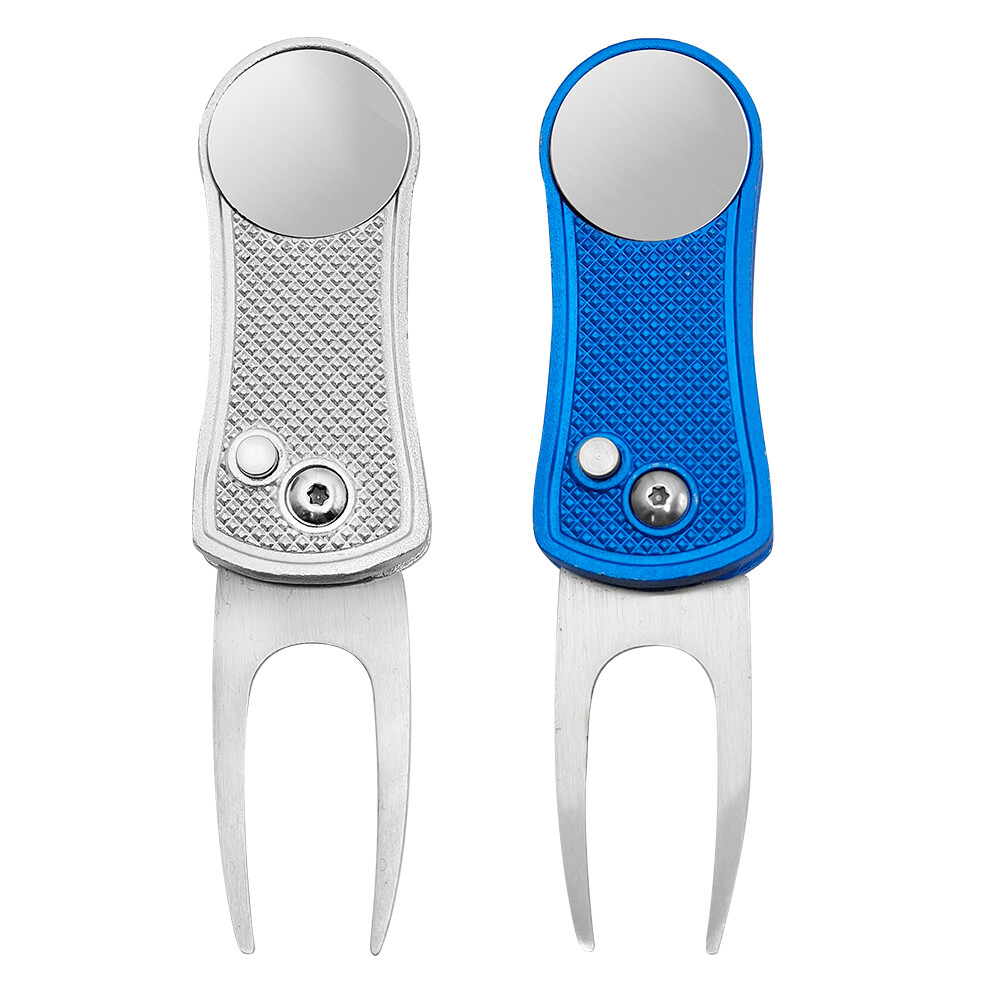
When placing repeat orders for a Golf fork or Golf spikes, many buyers and finance approvers ask the same question: do mold fees need to be paid again? The answer depends on mold ownership, product changes, and supplier policy. With nearly 13 years of export and manufacturing experience, Zhongshan Sonier Pins Co., Ltd helps customers evaluate reorder costs clearly, reduce hidden expenses, and make smarter purchasing decisions.
When do repeat orders require a new mold fee?
In the sports goods sector, repeat purchasing is often expected to lower unit cost and shorten approval time. However, mold fees for metal accessories such as divot tools, golf forks, and branded event gifts do not always follow a simple rule. For procurement teams, the key issue is not only whether a fee appears again, but why it appears, who owns the tooling, and whether the change creates a new production burden.
A practical way to judge the issue is to review 3 factors: original mold ownership, the degree of product modification, and the supplier’s retention period for stored tooling. In many custom metal craft projects, molds can be kept for months or years, but long gaps, redesigns, or supplier-side tooling replacement may affect reorder charges. This is why finance approval should be linked to technical confirmation, not handled as a price-only question.
For buyers working with club gifts, golf training accessories, and tournament souvenirs, the mold fee question becomes more important when the order volume is small to medium batch. In these cases, tooling cost has a visible impact on landed cost. A well-documented supplier can usually clarify in 1–2 review rounds whether the existing mold remains usable or whether a partial remake is needed.
The most common reorder situations
The same item can lead to different tooling decisions depending on design control and production history. If the logo, outline, size, and metal structure remain unchanged, repeat orders often move forward without full mold redevelopment. If one or more of those points changes, the result may be a modified tooling fee rather than a full new mold fee.
- Exact repeat order: usually the strongest case for avoiding a new mold fee, provided the original tooling is still available and usable.
- Logo-only update: may require insert changes, laser adjustment, or artwork revision rather than full tooling replacement.
- Size, thickness, or shape revision: often triggers partial or full new mold work because the metal forming dimensions change.
- Long reorder gap: if the interval reaches 12–24 months, the supplier may need to inspect storage status, wear condition, or recreate missing tooling records.
For products used to repair marks, maintain lawn health, and reduce secondary turf damage, shape precision matters more than many first-time buyers expect. A portable metal design may look simple, but stable production still depends on whether existing tooling can maintain the original appearance and function. This is one reason experienced suppliers review design drawings before confirming tooling charges.
How procurement and finance should evaluate mold-fee risk
Procurement managers usually focus on unit price, lead time, and consistency. Finance approvers often focus on one-time fees, amortization, and budget control. To avoid internal back-and-forth, both sides should use the same review framework. In practice, 5 key checks can reduce reorder disputes: ownership record, artwork version, tooling storage period, change request scope, and expected production quantity.
This matters especially in custom sports accessories where purchases may support events, club gift programs, or promotional mementos. A reorder of 300 pieces and a reorder of 3,000 pieces can be approved differently. For a smaller batch, a repeated tooling fee can noticeably affect margin. For a larger batch, the same fee may be acceptable if it secures stable quality and protects delivery timing.
At Zhongshan Sonier Pins Co., Ltd, the discussion is not limited to “yes” or “no.” The better approach is to classify the fee as no fee, minor adjustment fee, or full redevelopment fee. This gives finance teams a clearer basis for approval and helps sourcing teams compare suppliers on a like-for-like basis instead of reacting to incomplete quotations.
A practical evaluation table for repeat orders
The table below helps buyers and approvers quickly assess whether a repeat order is likely to trigger a mold fee again. It is especially useful during quotation review, supplier comparison, and annual budget planning.
The value of this table is that it turns a vague sourcing question into a structured approval process. Instead of asking whether a supplier is “charging again,” the team can ask whether the reorder still matches the original production basis. That distinction often saves time in 2–3 internal review steps and reduces negotiation friction.
Checklist before approving a repeat order
- Request the last approved artwork, sample photo, and quotation reference number.
- Confirm whether the mold belongs to the supplier, the buyer, or shared project use.
- Ask if the tooling has been preserved and whether inspection is needed before production.
- Check if the finish, plating color, or packaging has changed, because secondary process changes can also affect cost.
- Review lead time in 2 stages: sample confirmation and mass production scheduling.
What changes usually trigger extra cost in custom golf accessories?
In metal sports accessories, the mold is only one part of the total manufacturing cost. Procurement teams sometimes focus only on tooling and overlook secondary cost drivers such as plating, surface finish, logo method, and packaging updates. For repeat orders of a golf repair tool, even a small appearance change can affect several production stages, especially when appearance quality is part of brand presentation.
This is especially relevant for event organizers, golf clubs, and brand marketers ordering custom items for training kits or corporate gifts. If a reorder needs the same portable design but a different logo layout, the supplier may adjust artwork, proofing, or detail tooling. If the purpose changes from field use to premium gift presentation, packaging and finish upgrades can increase the final budget even if the mold itself does not change.
A metal accessory designed for durability and repeated outdoor use must also maintain stable edges, safe handling, and clean logo detail. If the prong profile or handle shape is modified to improve user feel, that may require reworking the production setup. In other words, “same product category” does not always mean “same manufacturing basis.”
Cost drivers beyond the mold itself
The following table shows common change types and how they may influence reorder pricing. It can help sourcing teams explain supplier quotations to finance without oversimplifying the issue.
This comparison shows why buyers should separate tooling cost from presentation cost. A reorder may carry no new mold fee but still show a higher unit price because plating, gift box requirements, or inspection standards changed. That is not necessarily a red flag; it simply means the project scope changed.
Where product application affects the quote
For golf training use, the emphasis is usually on durability, portable design, and practical turf repair performance. For events and club gifts, branding visibility often matters more. For commemorative mementos, visual finish and packaging may take priority. These 3 use directions can create different cost structures, even if the core item is the same Golf fork.
If the supplier also provides free appearance design service, the buyer can often compare 2–3 design options before approving the final production route. That is helpful when a team wants logo customization without overcommitting to a full redesign. It also supports small trial orders, which are common when testing a new club gift line or regional event product.
How to reduce hidden costs before placing the reorder
The best way to avoid repeated mold-fee disputes is to clarify the project record at the first order, not at the second one. Buyers in sports goods purchasing can save time later by storing 4 basic files: approved artwork, final sample image, quotation version, and mold ownership note. If these records are available, reorder evaluation becomes faster and more objective.
Lead time should also be discussed early. A typical custom metal gift or accessory project may involve 2 main phases: sample confirmation and mass production. If the old tooling is ready, the sampling stage can be shorter. If the mold needs repair or revision, the schedule may extend by several working days or even 1–2 weeks depending on the change scope and production queue.
For finance teams, it is useful to think in total project cost rather than only one line item. A slightly higher tooling-related expense may still lower overall risk if it prevents production delay, quality inconsistency, or redesign loss. This is especially true for seasonal event orders where missed timing can create more cost than the tooling itself.
A 4-step reorder control process
- Confirm old project data: compare SKU, artwork version, finish, and packaging to the previous approved order.
- Request tooling status review: ask whether the mold is in storage, in usable condition, or needs maintenance.
- Approve sample or visual proof: for changed logos or revised details, confirm appearance before mass production.
- Align cost and timeline: separate mold-related fees, unit price changes, and logistics factors in the quotation.
Zhongshan Sonier Pins Co., Ltd supports this type of end-to-end communication because the company works across metal crafts, leather goods, and exclusive corporate gift lines. That cross-category experience is valuable when a golf accessory order is part of a broader branded merchandise project, not an isolated purchase. It helps buyers coordinate design, manufacturing, and commercial approval in one workflow.
Why small trial orders still matter
Many suppliers hesitate on small quantities, but trial orders can reduce risk for both buyer and approver. In 1 pilot run, the team can verify finish quality, handling feel, packaging fit, and market response before committing to a larger seasonal order. For procurement teams introducing a new custom golf item to a club or event organizer, this is often a more defensible path than making a large first commitment.
FAQ for buyers and finance approvers
The questions below reflect common concerns in repeat purchasing of custom golf accessories. They are useful for teams comparing quotations, preparing approval notes, or reviewing supplier policies before a reorder.
If the logo stays the same, can we assume there is no new mold fee?
Not automatically. The same logo is a strong sign, but it is only 1 factor. Buyers should also confirm whether the size, shape, metal thickness, and functional structure are unchanged. In addition, tooling storage and wear condition matter. If the previous order was placed a long time ago, the supplier may need a tooling check before confirming there is no added charge.
What should finance ask before approving a repeated tooling charge?
Finance should ask 4 direct questions: What changed? Is this a full new mold or a partial revision? Can the cost be separated from unit price changes? Will the revision shorten or protect delivery risk? These questions help distinguish a legitimate technical cost from a quotation that lacks transparency.
Are repeat orders faster than first orders?
Usually yes, but not in every case. If the old tooling is available and there is no design change, repeat orders often move faster through pre-production. If sampling, packaging updates, or tooling repair are needed, the timeline can extend. Buyers should review both production lead time and approval lead time, because internal signoff can add several days on its own.
What are the most common mistakes in golf accessory reorders?
The biggest mistakes are assuming the old quotation still applies, overlooking packaging or finish changes, and failing to keep approved design files. Another common error is focusing only on unit cost while ignoring the impact of timing and consistency. In event-related sports goods purchasing, late delivery can be more damaging than a modest technical fee.
Quick warning signs during quotation review
- The supplier cannot explain whether the old tooling still exists.
- The quotation mixes mold cost, sampling cost, and unit price changes into one unclear figure.
- The buyer changed logo, shape, and packaging together but expects the same price basis as the last order.
- No one checks whether the item is still intended for training use, event gifting, or commemorative distribution.
Why work with a supplier that can clarify the full reorder picture?
For procurement teams and finance approvers, the real value of a supplier is not only manufacturing. It is the ability to explain costs, manage customization, and reduce uncertainty across the whole project. Zhongshan Sonier Pins Co., Ltd combines manufacturing and distribution experience in metal crafts, leather goods, and corporate gift lines, which is useful when a custom sports accessory also needs branding alignment, packaging coordination, or cross-product sourcing.
With nearly 13 years of domestic and foreign trade experience and shipments to more than 10 countries, the company is familiar with buyer concerns around repeat order consistency, trial order flexibility, and practical communication. That matters when purchasers need quick answers on product selection, sample support, delivery windows, or design adjustments before submitting the project for approval.
If you are reviewing a repeat order for custom golf tools, it is worth confirming the project from 6 angles: existing mold status, logo customization scope, sample need, production lead time, packaging requirement, and batch size plan. A supplier that can answer all 6 clearly will usually help you avoid unnecessary rework and hidden cost more effectively than one that only sends a price number.
What you can discuss before placing the order
You can ask for parameter confirmation, product selection advice, reorder cost evaluation, delivery schedule review, customization options, sample arrangements, and packaging suggestions. If your team is comparing whether to keep the original design or update the appearance, you can also request design-oriented feedback based on application scenario, including training, events, club gift use, or memento programs.
For buyers who need a durable, portable, logo-customized metal solution with free appearance design service, clear communication at the reorder stage can protect both budget and timing. If you are planning your next purchase cycle, contact Zhongshan Sonier Pins Co., Ltd with your previous artwork, order quantity, and target delivery date so the team can help assess whether the reorder can use existing tooling, whether a revised quotation is needed, and what the most practical next step should be.
Please give us a message

Hello! How may I help you?
Welcome to our website. We are excited to chat with you!
Contact Us