



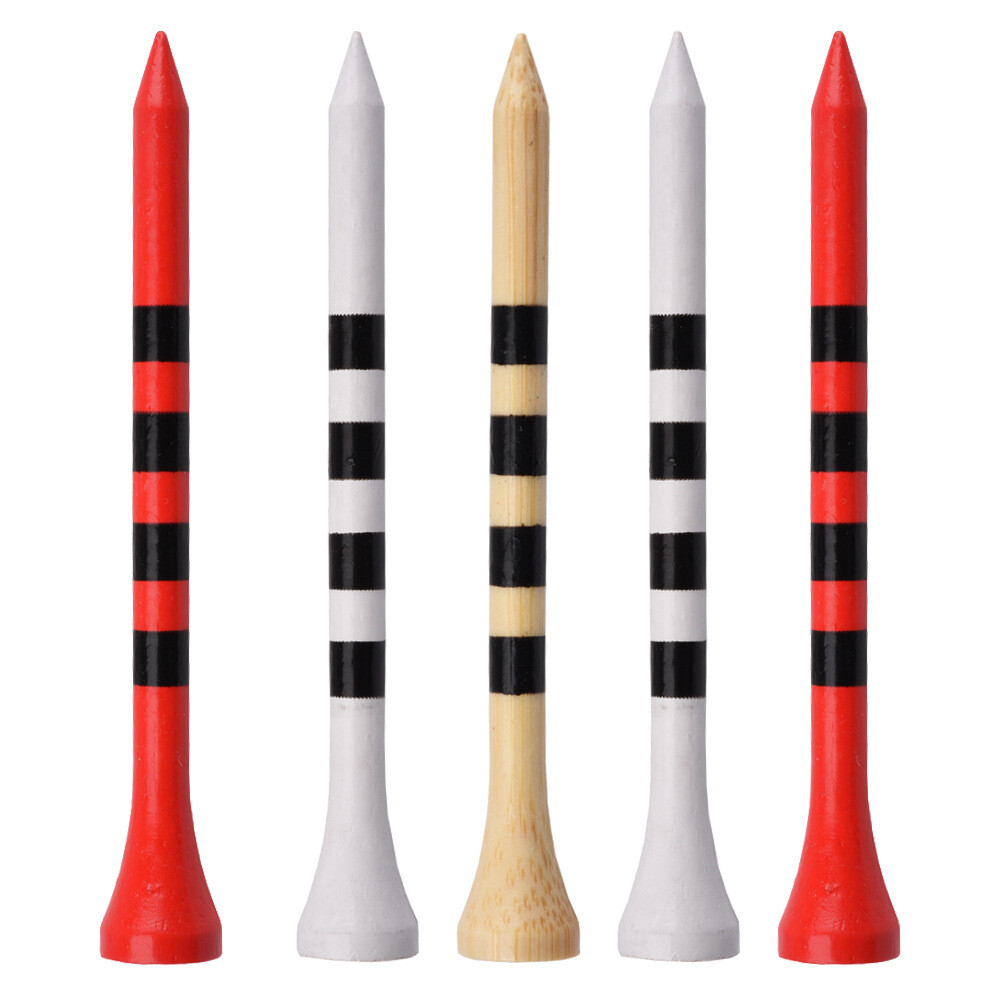
When sourcing Golf spikes or related accessories like a Golf fork, buyers and finance approvers need more than supplier promises—they need proof of quality, safety, and compliance. SGS test reports provide credible third-party verification that helps reduce purchasing risk, support internal approval, and ensure product consistency before large-volume orders are placed.
Why do SGS test reports matter so much in golf spikes sourcing?
In the sporting goods industry, golf spikes look like small components, but they directly affect traction, walking comfort, surface compatibility, and replacement frequency. For procurement teams, this means a low unit-price item can still create a high after-sales risk. For finance approvers, the concern is different: poor quality can trigger returns, reorders, delayed launches, and unnecessary inventory write-downs within one purchasing cycle.
An SGS test report helps convert supplier claims into verifiable documents. Instead of discussing quality in general terms, buyers can review specific test items, sample descriptions, and pass or fail results. This is especially useful when comparing 2–3 suppliers during vendor evaluation, because the report creates a shared basis for technical review, commercial negotiation, and internal approval.
For golf spikes sourcing, third-party testing is often used to check material-related safety, physical performance, and restricted substance compliance, depending on the destination market and buyer requirements. A sourcing decision is stronger when the report is paired with sample confirmation, pre-production review, and a defined quality control plan covering at least 3 stages: sample validation, in-process inspection, and pre-shipment inspection.
Zhongshan Sonier Pins Co.,Ltd supports this decision process by combining manufacturing experience, customization capability, and practical quality control execution. With nearly 13 years of domestic and foreign trade experience and sales in more than 10 countries, the company understands that procurement is not only about unit cost. It is about evidence, repeatability, and smooth coordination between sourcing, finance, and end-use expectations.
What problems do buyers solve with a test-backed sourcing process?
- They reduce the risk of approving a supplier based only on photos, verbal claims, or non-standard sample feedback.
- They create a clearer approval file for finance, especially when purchase quantities move from small trial orders to medium or large-volume orders.
- They gain a practical reference for incoming inspection standards, helping internal teams define acceptable tolerances and batch consistency checks.
- They improve supplier communication because report items, dates, and sample descriptions can be linked directly to quotations, production records, and shipment lots.
Which parts of an SGS test report are most useful for procurement and finance review?
Not every page in an SGS test report carries the same purchasing value. Procurement teams should focus on the sections that affect specification matching, compliance confidence, and claim handling. Finance approvers usually want a simpler question answered: does this document materially reduce sourcing risk enough to justify order release? The answer often depends on whether the report is current, product-relevant, and tied to the actual sample under quotation.
A useful report typically includes sample identification, test request scope, applied standards or methods, testing dates, and the final results summary. If any of these elements are unclear, the report may be harder to use in internal approval. For example, a test conducted 12–24 months ago on a different construction or material mix may have limited value when the current golf spike program uses a revised mold, different polymer, or alternate plating detail.
Procurement should also check whether the report supports the intended market. Some buyers need restricted substance screening, while others care more about wear performance or material durability under repeated replacement cycles. The most efficient review combines 4 checkpoints: sample match, test scope, issue date, and relevance to the actual shipping specification.
The table below helps separate “good-looking paperwork” from documents that genuinely support golf spikes sourcing decisions in a B2B environment.
For finance teams, this structured reading method saves time. They do not need to interpret every technical page. They need enough evidence to judge whether the purchase has a lower probability of complaint cost, scrap risk, or delayed resale. When the report is reviewed alongside sample cost, tooling implications, and replenishment lead time, the sourcing file becomes much easier to approve.
How fresh should the report be?
There is no universal single validity period for all items, but in practical sourcing, buyers often prefer reports that reflect the current production condition. If material suppliers, coatings, molds, or assembly methods have changed within the last 6–12 months, asking for updated testing or at least a renewed conformity review is a more prudent step than relying on an old file.
A simple internal review rule
If the product specification, production route, or destination market changed, treat the previous report as a reference rather than final proof. This rule helps prevent a common mistake in sports accessories sourcing: approving a new order based on documentation from an older, similar-looking, but technically different item.
How do SGS reports reduce sourcing risk compared with supplier self-declarations?
Supplier self-declarations are not useless, but they are not enough for many B2B sporting goods purchases. A self-declaration may confirm intent or internal understanding, while an SGS test report adds independent verification. For buyers managing several SKUs, multiple factories, or seasonal replenishment windows of 2–4 weeks, the difference is important because independent documents support stronger risk control.
This is particularly relevant when the supplier offers customized products. In customization projects, the final structure may involve changes in hardness, insert design, colorant, or packaging contact materials. Each change can affect the relevance of prior claims. Zhongshan Sonier Pins Co.,Ltd accepts small batch trial orders, which is useful here: buyers can test a pilot lot, review documentation, and refine specifications before expanding volume.
The next table compares common document types used in golf spikes sourcing. It can help both procurement and finance teams understand what each document can and cannot prove during supplier selection, audit preparation, and order release.
The practical takeaway is simple: the strongest sourcing decision does not rely on one document alone. It uses a layered control system. Many experienced buyers work with 4 linked controls—quotation confirmation, sample validation, test report review, and shipment inspection. This makes quality and cost discussions more fact-based and protects the finance team from approving purchases built on weak assumptions.
Where does this fit in real sporting goods sourcing?
Sports accessories programs often combine function and branding. A supplier that can manage both structured production and customized presentation is useful when a buyer wants consistent sourcing across event merchandise and functional accessories. For example, companies that also produce commemorative metal items may support brand programs for golf clubs or tournaments, such as Retro bronze oval metal medal, swimming-themed relief from a water sports club, collectible ornament for water sports events. The key sourcing advantage is coordination: design, customization, quality review, and export communication can be handled in a more unified way.
What should buyers check before accepting an SGS report for golf spikes orders?
An SGS report becomes valuable only when it is tied closely to the goods you plan to buy. In sports accessories sourcing, a mismatch between tested sample and actual production is one of the most common approval blind spots. To avoid that, buyers should establish a practical pre-approval checklist with at least 5 key items and use it before final PO release.
The first item is sample consistency. If the tested golf spikes used one material formula and the mass production version uses another, the report may not fully represent shipment risk. The second is product function. Spikes designed for different shoe systems or ground contact expectations may need different performance emphasis. The third is destination market. Required documentation can differ by region, buyer policy, and retail channel.
The fourth item is timing. When lead time is tight—say, 7–15 days for sample confirmation and 2–4 weeks for production—document review must be integrated early. The fifth is supplier execution capability. A report does not guarantee future batch consistency unless the manufacturer also has stable process control, equipment discipline, and inspection habits. This is where experienced suppliers stand out.
Zhongshan Sonier Pins Co.,Ltd emphasizes end-to-end solutions, free product consultation, and customization service. For buyers, this matters because quality documents, sample revisions, packaging details, and order planning often move in parallel. Working with a supplier that can respond across these functions helps reduce communication gaps during the 3 main order phases: development, approval, and fulfillment.
A practical buyer checklist
- Match the tested sample to the quoted item using photos, drawings, material notes, and packaging references.
- Confirm whether the report covers the destination market or only a general screening requirement.
- Check if any mold, color, coating, or material change occurred after the report was issued.
- Ask how the supplier controls batch consistency during small batch, medium batch, and large batch production.
- Decide whether a trial order is needed before annual or seasonal volume commitment.
Why finance teams care about this checklist
Each checklist point reduces a different cost exposure: return handling, replacement freight, delayed launch, internal re-approval time, or excess safety stock. In other words, an SGS report is not only a quality document. When used correctly, it is a cost-control tool that improves predictability before funds are committed.
How can SGS reports support better cost control and supplier selection?
A common sourcing mistake is treating compliant and non-compliant options as if the only difference were price. In reality, a lower quoted golf spikes price may hide later costs: emergency replenishment, retailer complaints, failed incoming inspection, or unsellable stock. An SGS report helps buyers compare suppliers on more than unit cost and gives finance teams a more complete landed-risk perspective.
This does not mean the most documented option is always the most economical. The goal is balance. Buyers should compare at least 4 commercial dimensions: unit price, document completeness, sample lead time, and expected quality stability. In many projects, a slightly higher ex-factory price can still produce a better total purchasing outcome if it lowers rework and approval friction across 1–2 shipping cycles.
The table below shows how procurement and finance teams can evaluate sourcing options more realistically. It is especially useful when one supplier offers a lower quote without third-party support, while another offers clearer documentation, trial order flexibility, and better communication on quality control.
This comparison does not eliminate commercial negotiation. It improves it. Buyers can negotiate from evidence rather than assumption, and finance teams can approve orders with a clearer view of potential downside. In competitive sporting goods sourcing, that clarity often matters as much as a small nominal savings on the invoice.
What if the supplier offers customization?
Customization increases commercial value, but it also increases document management needs. When design changes affect structure, finish, or packaging, buyers should ask whether the existing report remains representative. This principle applies not only to golf spikes but also to branded sports event items and commemorative products, including a second category like the Retro bronze oval metal medal, swimming-themed relief from a water sports club, collectible ornament for water sports events. In both cases, clear sample control and documented review protect the purchase.
Common questions buyers ask before placing golf spikes orders
Many sourcing teams have the same practical concerns: Is one report enough? Should every order be retested? How do we balance speed, cost, and compliance? These questions are normal, especially when the order moves from a trial run to seasonal replenishment. The answers depend on product change level, market destination, and internal risk tolerance.
Below are some common decision questions that often appear during supplier evaluation, quotation comparison, and finance sign-off. They can help streamline communication between procurement, quality, and budget owners.
Is one SGS test report enough for all future golf spikes orders?
Not always. If the product, material source, construction, or destination market changes, the old report may become only partially relevant. A stable repeat order with no meaningful specification change may rely on the earlier report plus routine inspection, but any major revision should trigger a new review and possibly updated testing.
Should procurement still request samples if an SGS report is available?
Yes. A report validates defined test points, while a sample helps verify fit, visual quality, assembly feel, packaging, and commercial suitability. In most B2B sporting goods projects, sample confirmation and document review work together. Many buyers use 2 rounds of samples: an initial evaluation sample and a pre-production confirmation sample.
What is a reasonable process for first-time supplier approval?
A practical 4-step process is: review quotation and drawings, check sample quality, evaluate SGS or equivalent third-party documentation, then place a small batch trial order before scaling. This approach is especially useful when the supplier offers customization or when the purchase will later expand into multiple SKUs.
How does this help finance approvers specifically?
It creates a more auditable approval basis. Finance teams can see that the order was checked across quality, compliance, and execution readiness rather than approved only on sales urgency or a low quote. That makes budget release easier to defend if later questions arise about supplier selection or risk management.
Why work with a supplier that combines customization, quality control, and trial order support?
In real purchasing work, the supplier’s response capability often matters as much as the document itself. A report can confirm what was tested, but buyers still need timely quoting, specification clarification, sample follow-up, and stable production execution. When one supplier can support these tasks in a connected way, sourcing becomes easier to manage and internal approval becomes faster.
Zhongshan Sonier Pins Co.,Ltd offers comprehensive end-to-end solutions, free product consultation, and customization service. The company’s production technology, quality control focus, and equipment strength support a more disciplined sourcing process, especially for buyers who need both product flexibility and practical execution. Its experience in more than 10 countries also helps when buyers need export communication that is clear and commercially responsive.
For procurement teams, this means support on parameter confirmation, product selection, sample arrangements, and order planning. For finance approvers, it means better visibility before money is committed: trial order options, document review, and a more structured path from sample to shipment. This is especially valuable when timelines are compressed into 7–15 days for development feedback and 2–4 weeks for production scheduling.
If you are sourcing golf spikes, Golf fork accessories, or customized sports-related merchandise, the most productive next step is not simply asking for a price. Ask for the matching sample details, applicable test document scope, customization options, lead time range, and trial order conditions. That gives both procurement and finance a practical basis for decision-making.
What you can contact us about
- Specification and parameter confirmation for golf spikes or related sporting goods accessories
- Sample support, small batch trial orders, and evaluation workflow planning
- Customization solutions, including appearance, packaging, and branded event merchandise coordination
- Lead time discussion, quotation comparison support, and supplier documentation review
- Compliance and test-report relevance checks for your target market and approval process
If your team needs a sourcing plan that balances quality evidence, commercial practicality, and approval efficiency, reach out with your target product, expected order volume, delivery window, and market requirements. We can help you review the right sampling path, discuss test-document relevance, and build a workable supply plan before you move to full-volume purchasing.
Please give us a message

Hello! How may I help you?
Welcome to our website. We are excited to chat with you!
Contact Us