



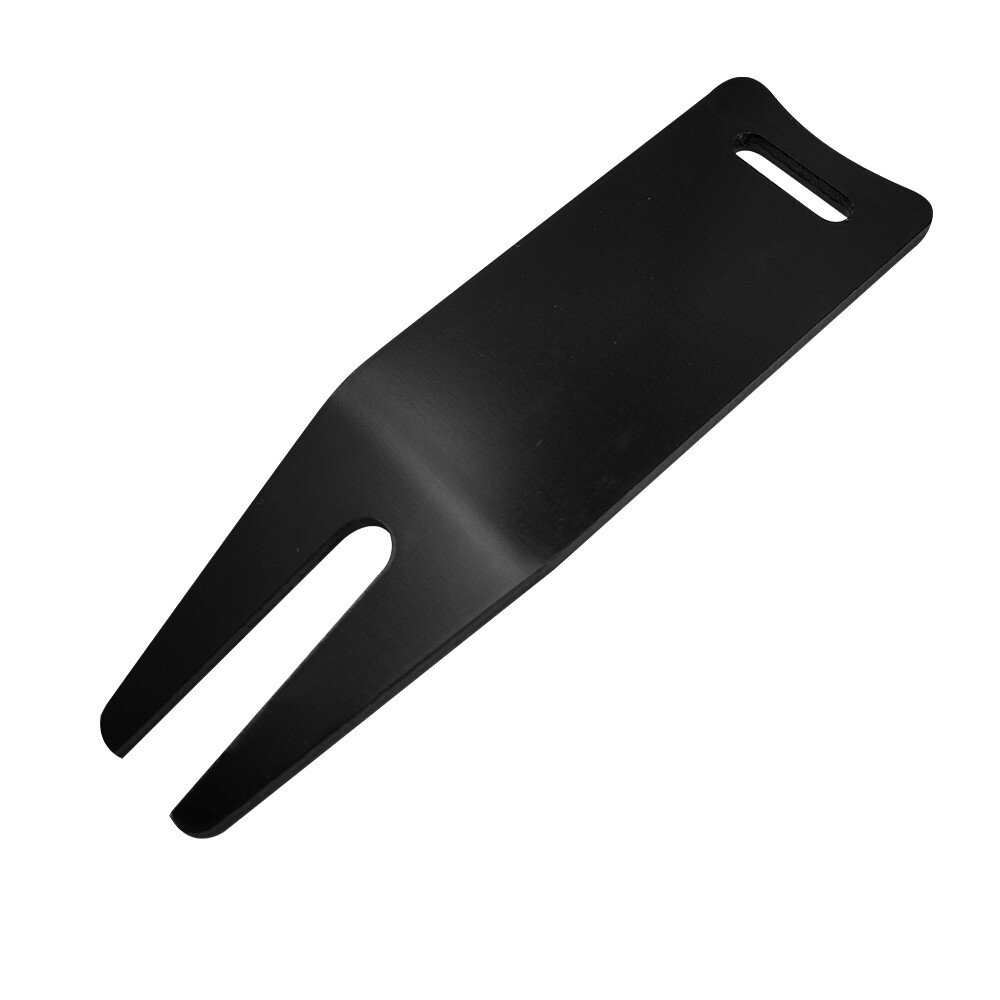
When sourcing a golf fork or matching golf spikes, the finish is not a small cosmetic detail. It directly affects corrosion resistance, scratch visibility, perceived quality, and how often you need to replace inventory. For most purchasing teams, the short answer is this: if you need the longest-lasting finish under regular outdoor use, hard-wearing nickel-based plating with a protective topcoat usually outperforms decorative antique finishes, while premium PVD-style options can last even longer when budget allows. The right choice depends on use frequency, brand image, and total cost rather than unit price alone.
For procurement staff and finance approvers, the key question is not simply “which plating looks best?” but “which finish gives the lowest replacement risk at an acceptable cost?” This guide compares common golf fork plating options in practical terms so you can make a better buying decision.
What buyers really need to know first: durability varies more by use case than by color
Many buyers compare plating by appearance alone: shiny silver, black nickel, antique bronze, or gold-tone finishes. In practice, finish life depends on four factors:
- Base metal quality
- Plating thickness and process control
- Whether a clear protective coating is added
- How the golf fork is actually used, stored, and transported
A mirror-bright finish may look premium at delivery but wear quickly if the plating layer is thin. An antique finish may hide scratches better, yet it may not offer the same corrosion resistance as a higher-performance plating system. That is why serious buyers should ask suppliers not only for finish names, but also for plating specifications, coating method, salt spray test data, and sample validation.
Common golf fork plating options and how long they usually last
Below is a practical comparison of the finishes most commonly seen in golf forks and similar metal accessories.
1. Nickel plating
Nickel plating is one of the most common choices for metal golf accessories. It offers a clean metallic appearance and generally solid corrosion resistance. For regular promotional, club, or resale use, nickel plating is often a safe middle-ground option.
- Strengths: good durability, professional appearance, cost-effective
- Weaknesses: may show scratches over time; quality varies significantly by plating thickness
- Best for: standard branded golf forks, repeat bulk orders, balanced cost-performance sourcing
2. Black nickel plating
Black nickel is popular for modern-looking golf tools, especially for premium gift sets. It can look more upscale than standard silver-tone plating, but its long-term appearance depends heavily on process quality.
- Strengths: premium visual impact, strong gift appeal
- Weaknesses: edge wear may become visible faster than on lighter finishes
- Best for: executive gifts, higher-end brand programs, image-driven purchases
3. Chrome plating
Chrome is known for brightness and hardness. In some applications it performs well against wear, but for smaller customized metal products the result depends on whether the supplier uses it as part of a robust multilayer process.
- Strengths: hard surface, bright finish, good wear resistance
- Weaknesses: can increase cost; not always necessary for all golf fork programs
- Best for: buyers prioritizing a bright premium look with stronger surface resilience
4. Antique bronze or antique brass finish
Antique finishes are widely used when buyers want a classic or heritage look. These finishes often work well for commemorative or event-related products because they visually hide fingerprints and minor scratches better than glossy plating.
- Strengths: distinctive appearance, hides minor wear, strong decorative appeal
- Weaknesses: usually chosen more for style than maximum corrosion performance
- Best for: commemorative products, event merchandise, brand storytelling collections
This is also why antique-style metal finishing is common beyond golf accessories. For example, products such as Vintage bronze relief trans-Tasman series medal rowing competition commemorative medal metal texture sports honor medal use bronze-toned visual texture to create a lasting impression for celebration events, school activities, corporate challenges, and community competitions where design value matters alongside function.
5. Gold-tone plating
Gold-tone finishes can create a premium image, but durability depends greatly on the actual plating system and whether the product is for display, gifting, or frequent use.
- Strengths: high perceived value, strong presentation effect
- Weaknesses: decorative gold-tone layers may wear visibly on high-contact areas
- Best for: ceremonial gifts, limited editions, presentation sets
6. PVD or advanced protective finishes
Where available, PVD-style coating or similarly advanced finishes can outperform traditional decorative plating in wear resistance and color stability. These are not always used for all golf forks, but they are worth considering for premium projects.
- Strengths: excellent durability, improved abrasion resistance, stable appearance
- Weaknesses: higher cost, not always necessary for mass promotional use
- Best for: premium retail, executive gifts, long-life product lines
So which finish lasts longer in real purchasing terms?
If the question is purely about service life, the ranking often looks like this in practical sourcing scenarios:
- Advanced protective finishes such as PVD — typically longest-lasting when properly applied
- High-quality nickel or chrome-based plating with protective topcoat — strong balance of durability and cost
- Black nickel — can perform well but appearance wear may become noticeable sooner
- Antique bronze / antique brass decorative finishes — visually forgiving, but not always the strongest for long-term corrosion resistance
- Decorative gold-tone plating — attractive, but durability depends heavily on specification and use intensity
For most B2B buyers, high-quality nickel plating with clear protection is often the most practical answer if you want a reliable, durable, and commercially efficient finish. If your project is positioned as premium and budget is less sensitive, an advanced finish may justify the additional spend.
What procurement teams should ask suppliers before approving a plating choice
To avoid replacement issues, complaint handling, and hidden cost, ask these questions before placing the order:
- What is the base material used for the golf fork?
- What exact plating process is applied?
- What is the plating thickness?
- Is there a protective lacquer or clear topcoat?
- Can the supplier provide salt spray test results?
- Will the finish color vary between batches?
- Which areas are most likely to wear first?
- Can production samples be approved before mass order?
These questions are especially important for buyers managing cross-border orders, because finish descriptions are often oversimplified in quotations. “Nickel” alone does not guarantee the same lifespan from one supplier to another.
How finance approvers should evaluate plating cost beyond unit price
Finance teams often see plating upgrades as a cost increase. But in many cases, the cheaper finish becomes more expensive after delivery. A better approval framework includes:
- Replacement rate: how many units may fail or look worn too early?
- Brand risk: does visible wear affect customer or event perception?
- Complaint cost: what is the service cost of defects or finish inconsistency?
- Order purpose: is this a one-time event item or a long-term branded accessory?
- Lifecycle value: does paying slightly more reduce reorder frequency?
For example, if a premium golf fork is part of a client gift set, early tarnish can damage brand perception far more than the plating upgrade cost. On the other hand, for a short-term promotional distribution, a mid-range finish may be entirely sufficient.
Best plating options by buying scenario
For bulk promotional orders
Choose durable nickel plating with controlled cost. It usually offers the best balance between appearance, corrosion resistance, and budget.
For club merchandise or regular resale
Use a finish with proven consistency across batches, preferably nickel or chrome-style plating with protective coating.
For executive gifts or premium packaging
Consider black nickel, premium chrome, or advanced protective finishes if the visual standard is high and the product is expected to retain appearance longer.
For commemorative or heritage-style designs
Antique bronze can be the right choice when story, texture, and classic styling matter more than maximum technical wear resistance. That same logic often applies to customized sports memorabilia and medal programs, especially where customizable services and varied design solutions are part of the value offered.
How a reliable manufacturer improves finish lifespan
The finish itself is only part of the equation. Manufacturing control matters just as much. A supplier with end-to-end capability can better manage material selection, plating consistency, inspection standards, and customization requirements.
Zhongshan Sonier Pins Co.,Ltd specializes in metal crafts, leather goods, and exclusive corporate gift lines, offering product consultation and customization support. For buyers, this matters because finish durability is not just a material choice; it is a process-control issue. With nearly 13 years of domestic and foreign trade experience and sales to more than 10 countries, the company supports both established buyers and new customers, including small trial orders for testing before larger commitments.
That trial-order flexibility is useful when comparing golf fork finishes in real conditions instead of relying only on catalog descriptions.
Final recommendation
If you are deciding which golf fork plating option lasts longer, the safest commercial conclusion is this: choose a high-quality nickel or chrome-based finish with proven process control for the best overall durability-to-cost ratio. If your project requires top-tier wear resistance and the budget supports it, advanced coatings such as PVD can last longer still. Antique and gold-tone finishes have strong visual appeal, but they should be selected mainly for branding and presentation rather than assumed to be the most durable.
For procurement teams, the best decision comes from matching finish performance to actual use. For finance approvers, the smarter metric is total ownership cost, not the lowest quotation. A slightly better finish can reduce replacements, complaints, and brand risk—making it the more economical option over time.
Please give us a message

Hello! How may I help you?
Welcome to our website. We are excited to chat with you!
Contact Us