



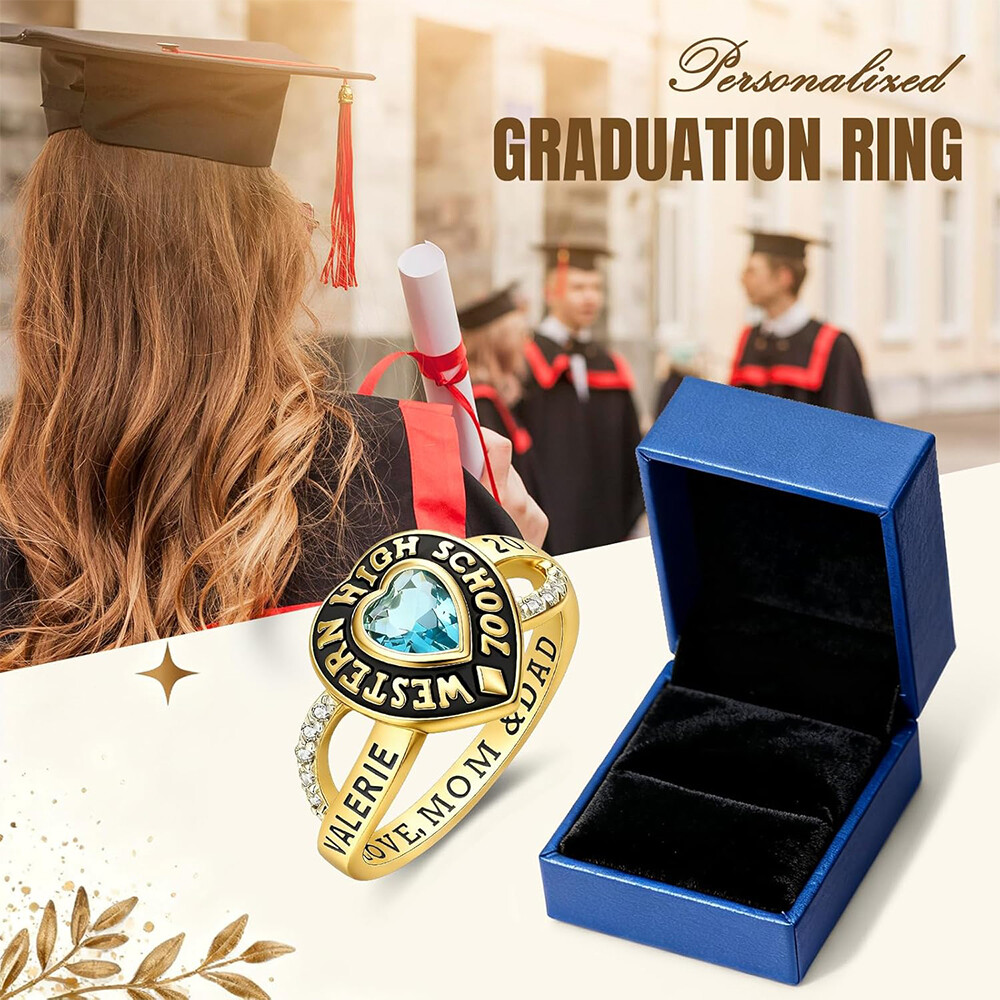
When sourcing champion rings, MOQ is often the first question buyers ask—especially when balancing budget, lead time, and customization needs. Whether you need a small trial batch or a large-volume order, understanding minimum order quantities helps procurement teams plan more efficiently, control costs, and choose the right supplier. This guide explains how MOQ works for different order sizes and what to consider before placing your order.
What does MOQ mean for champion rings procurement?
In the sports goods and awards supply chain, MOQ refers to the minimum order quantity a supplier requires to begin production under defined specifications. For champion rings, MOQ is not just a number. It reflects mold cost, plating setup, stone setting labor, packaging preparation, and quality control workload.
For buyers, MOQ directly affects unit price, project feasibility, sampling strategy, and internal approval speed. A school league ordering 30 custom champion rings will face different constraints from a distributor planning 3,000 rings for regional tournaments. Understanding that difference helps avoid costly assumptions.
Why suppliers set MOQs
- Tooling and mold creation require upfront engineering time, especially when logos, side panels, and lettering are fully customized.
- Metal finishing processes such as plating, polishing, coloring, and stone application are more efficient in batches than in very small runs.
- Packaging, inspection, and export documentation create fixed labor costs regardless of whether the order is 20 pieces or 2,000 pieces.
- A reasonable MOQ protects product consistency, especially for sports award programs that require matching appearance across the full lot.
At the same time, experienced suppliers can be flexible. Zhongshan Sonier Pins Co.,Ltd supports customization consultation and accepts small batch trial orders, which is useful for procurement teams validating design, plating color, fit, and presentation before scaling up.
How MOQ changes between small and large champion rings orders
MOQ for champion rings is usually shaped by design complexity and order purpose. Small orders often focus on testing or limited events, while large orders focus on cost control and repeatability. The table below shows how procurement priorities shift by quantity band.
This comparison shows that MOQ is not only about the lowest acceptable volume. It is also about how efficiently a supplier can convert your design into a repeatable sports award product without compromising finish, size accuracy, or delivery timing.
Small order realities
Small champion rings orders are common for first-time buyers, new event organizers, and procurement teams that need internal signoff before a wider rollout. In these cases, low MOQ support matters more than chasing the lowest theoretical unit cost.
A flexible supplier can recommend simplified ring structures, fewer enamel colors, or shared packaging formats to keep the project viable. This is often a smarter path than forcing a highly complex ring design into a very limited order quantity.
Large order realities
Large champion rings orders need more than price negotiation. Buyers should ask how the supplier handles batch-to-batch color stability, plating adhesion, logo alignment, and carton labeling. Sports event programs often depend on strict delivery windows, so production planning becomes part of the MOQ discussion.
Which factors influence MOQ for custom champion rings?
Two champion rings that look similar in a photo may have very different production requirements. Procurement teams should review the cost drivers behind MOQ instead of evaluating suppliers only by a single minimum quantity number.
Core factors buyers should check
- Design complexity: Raised logos, side engraving, deep relief, and multiple stone positions usually increase production setup demands.
- Material choice: Zinc alloy, brass-like effects, or heavier premium structures influence casting and polishing time.
- Surface finish: Gold-tone, silver-tone, antique effects, or mixed plating combinations affect batch efficiency.
- Size assortment: Multiple ring sizes in one project can complicate planning if not standardized early.
- Packaging requirements: Individual boxes, foam inserts, or branded presentation packaging add handling steps.
- Delivery urgency: Rush schedules may limit process options or require capacity reservation.
For procurement staff, the key lesson is simple: the more customized the champion rings, the more important it is to discuss MOQ after reviewing drawings, artwork, finish options, and intended use. A quick quote without those details is rarely useful.
How should buyers evaluate small-batch and bulk-order options?
The following table helps procurement teams compare champion rings sourcing paths based on business objective rather than price alone. This is especially helpful when deciding between a trial batch and a production-scale order.
For many sports goods buyers, the smartest route is a staged project: start with a small champion rings batch, review samples with stakeholders, then release the full volume once specifications are locked. This lowers rework risk and supports smoother internal procurement approval.
What procurement teams should ask before placing a champion rings order
A clear RFQ process reduces confusion around MOQ, pricing, and timeline. Buyers who provide complete project information usually get more accurate quotations and fewer post-approval changes.
- Confirm target quantity by version. If there are different sizes, titles, or event years, separate them at the quoting stage.
- Share artwork, logo files, and side text requirements early. This helps the supplier assess mold and finishing workload.
- Define material and finish expectations, including antique, polished, matte, or stone-accented effects.
- Ask whether the supplier supports small batch trial orders for champion rings before a larger release.
- Request sample approval steps, estimated production lead time, and packaging options.
- Clarify inspection points such as plating uniformity, engraving clarity, and presentation box condition.
Zhongshan Sonier Pins Co.,Ltd is well positioned for this process because the company offers end-to-end support, free product consultation, and customization services. With nearly 13 years of domestic and foreign trade experience and orders shipped to more than 10 countries, the team understands the communication detail that procurement managers need before approval and release.
How related sports award products can support your sourcing plan
Many buyers sourcing champion rings also manage broader award programs. In practice, rings are often ordered alongside medals, commemorative badges, or event gifts. Combining categories with one experienced metal crafts supplier can simplify approvals, visual consistency, and shipment planning.
For example, events such as taekwondo tournaments, school activities, corporate challenges, and community competitions may require more than one recognition item. A product such as Vintage bronze metal medal, commemorative colored taekwondo relief sculpture for the European Taekwondo Open, a collectible item. shows how commemorative sports awards can be elaborately crafted, customized for different occasions, and designed to record memorable moments beyond ring presentation alone.
This matters for procurement because a supplier capable of handling champion rings and other sports award items can help align color systems, packaging standards, delivery milestones, and event branding across the full program.
Common MOQ mistakes buyers make with champion rings
Even experienced buyers sometimes focus too narrowly on the MOQ headline. That can create delays, budget overruns, or quality disputes later. The common issues below are avoidable with better early-stage review.
Frequent errors
- Comparing quotations without matching specifications. One supplier may price a simpler ring while another includes a heavier body or more detailed finish.
- Ignoring size breakdown. Multiple sizes under one project can affect planning and may influence practical MOQ handling.
- Approving artwork too late. Design changes after mold development or sample confirmation can add cost and time.
- Assuming low MOQ always means best value. A slightly larger order may significantly improve unit economics if the event budget allows.
- Not checking packaging and shipping details. Protective boxes, carton marks, and export packing can affect both budget and arrival condition.
A reliable supplier should help buyers understand these trade-offs instead of simply quoting a number. That consultative approach is particularly valuable in sports goods procurement, where timing and presentation standards are closely tied to event execution.
FAQ about champion rings MOQ
Can I order champion rings in a very small quantity?
Yes, in many cases you can, but the final feasibility depends on design complexity, finishing requirements, and whether a new mold is needed. Small batch trial orders are often the best option for clubs, schools, and first-time buyers who need physical approval before committing to a larger quantity.
Does a higher MOQ always mean better pricing?
Usually, larger orders reduce unit cost because tooling, labor setup, and plating preparation are spread across more pieces. However, the best value comes from the right balance of volume, design, packaging, and delivery schedule. Over-ordering can create inventory waste if the event is one-time only.
What should I prepare before asking for a champion rings quote?
Prepare your estimated quantity, logo files, preferred finish, target delivery date, packaging expectations, and any size breakdown. If you also need matching medals or commemorative items, mention that early so the supplier can suggest a coordinated sourcing plan.
How can I reduce risk on a custom order?
Start with a clear specification sheet and request a sample or trial batch when timing permits. Confirm approval points for appearance, engraving, plating tone, and box presentation. For recurring sports programs, ask the supplier to retain approved references for future repeat orders.
Why choose us for champion rings and sports award sourcing?
For procurement teams, the real question is not only who can produce champion rings, but who can help manage customization, quantity planning, quality expectations, and delivery pressure in a practical way. Zhongshan Sonier Pins Co.,Ltd specializes in metal crafts, leather goods, and exclusive corporate gift lines, with end-to-end solutions built around consultation and customization.
Our advantage for sports goods buyers lies in production technology, quality control, and equipment support that help translate detailed award designs into stable production output. We also welcome small batch trial orders, which is valuable when your team needs to test champion rings specifications before scaling to larger volumes.
If you are planning a champion rings project, you can contact us to discuss quantity structure, customization options, sample support, lead time expectations, packaging details, and quotation planning. If your award program includes medals or commemorative items as well, we can help coordinate a more efficient sourcing solution from design review through delivery.
Please give us a message

Hello! How may I help you?
Welcome to our website. We are excited to chat with you!
Contact Us